
Did You Know?
We serve loans, the best way you can borrow
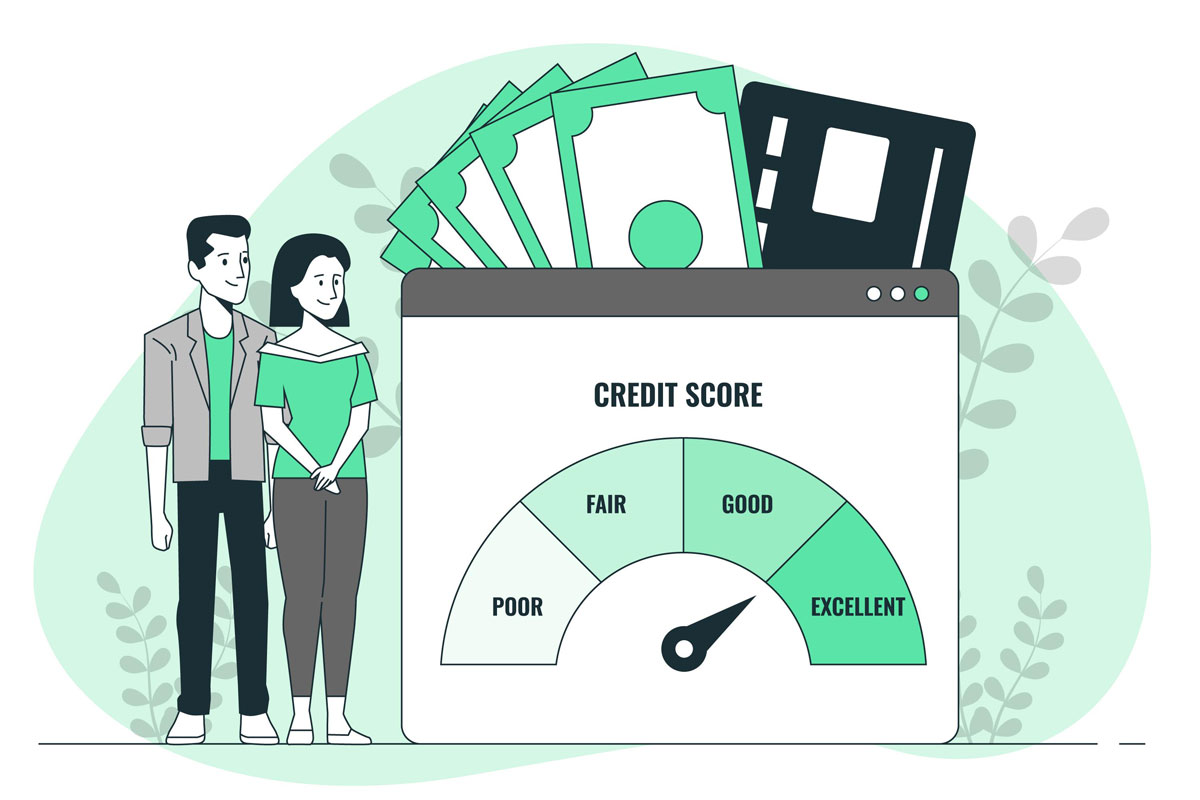

A loan default occurs when the borrower fails to repay the loan within the agreed tenure as per the terms. Missed payments and default status are reported to credit information companies by the lenders, which can seriously impact your credit score.
At this point, the question may rise “Is it possible to get another loan after defaulting?”
The answer is yes. A loan default can make borrowing tough. Your profile will be considered high risk by lenders, and they may not be ready to offer you a loan so easily. However, it doesn’t mean that you can never borrow again.
Your future eligibility will depend upon various factors like your current credit history, income, repayment behaviour, existing debt and the time that has passed since the default. Lenders in India refer to credit information and their own risk-assessment policies when making lending decisions.
No, loan default doesn’t mean that you can never take any loan again in future. No law in India restricts loan defaulters from new borrowing. You can still go to any bank or NBFC and apply for a loan. Whether your loan will be approved or not is a second thing.
But yes, borrowing won’t be so easy after default. Banks and NBFCs will be able to see the missed payments and default status, which reflects that you have struggled in past to make loan payments. Moreover, this default would have affected your CIBIL score too. Both this matters a lot in the loan approval process.
But this is in the past. One can improve creditworthiness with time, and lenders would want to see your present situation. If you have cleared outstanding dues and made timely repayments on other loans, then it can reflect your improved financial behaviour. Hence, a previous default should be considered as a setback rather than a permanent ban on borrowing.
When you apply for a loan after default, the lender will go through various factors before approving the loan rather than relying on a single factor. The following are the factors: –
Your credit score gives a complete indication of your credit history. Whereas a detailed credit report gives lenders information about your existing and previous loan accounts, repayment behaviour, and outstanding obligations. A loan default can make the application riskier specially if it is recent or accompanied by other negative repayment information.
The lender will check how you have handled the loans after default. If you have made regular payments of EMIs and credit card bills, then it reflects that your financial condition has improved and you can handle a new loan more efficiently.
The lender would want to know how good your current repayment capacity is. Stable employment and consistent income reflect that you can repay the loan easily. However, irregular income and recent job changes weaken the loan application.
The lender will also check how much monthly income you spend on EMIs. If more than 50% of your income goes to paying EMIs, then the lender may hesitate to offer any new loans.
Your savings, banking behaviour, present liabilities, loan amount requested and the purpose of borrowing can also impact the lender’s final decision.
You should note that there is no universal rule which applies to the loan approval process. Each lender has its own underwriting criteria.
Different types of lenders evaluate previous loan defaults differently: –
Banks have very strict policies and underwriting rules. They will give too much importance to repayment history, credit information, income and present obligations. Moreover, if you have defaulted in the recent past, then approval will be tough.
NBFCs also evaluate credit history and repayment capacity, but their risk model and target customers are different from banks. NBFCs may approve loans for borrowers who don’t fit conventional lending criteria. However, the overall profile should be good enough.
Digital lenders have technology-driven underwriting models, and they analyse multiple data points. But this never means that the previous default will be ignored. Regulated lenders and credit institutions will still function as per credit information and lending frameworks.
Yes, you can improve your loan approval chances after default by rebuilding your credit. Here is how you can do that: –
You can get one free CIBIL report every year. So, download it from its official website. Check if all loans are marked with the proper status. If you find any error, then you can raise a dispute and get it resolved. Fixing this can improve your credit score.
As soon as possible, pay off all outstanding overdue amounts. Even partial payment reduces the active default status. Once you make the payment, ask for an NOC from the lender.
If you have any ongoing loans, then pay its EMI on time. Regular EMI payments reflect your strong financial behaviour.
Each application creates a hard inquiry on your credit report. This can lower your credit score. So, avoid applying for multiple loans at the same time.
Apply for a loan amount that is reasonable as per your income, credit score and existing obligations. This will improve the loan approval.
There is no fixed waiting period after which a borrower should apply after default. The right time depends on one’s individual circumstances. However, it won’t be advisable to apply immediately after the default has been resolved. Because the negative repayment history is still fresh, which the lender may consider.
You should consider applying when you have: –
The longer you demonstrate responsible behaviour, the stronger your overall application becomes. But simply waiting will not automatically remove the impact of default. Lenders take into account the broader credit history available to them.
There is a possibility that even after recovering from loan default, your loan application still gets rejected. Here are the common reasons behind the same: –
You may have recovered from a loan default, but your credit score is still low. If your credit score is low, then the lender may reject the application.
If you have too many ongoing loans, then the lender may hesitate to offer you any more loans. It shows that a major part of your income goes toward paying EMIs, which raises the doubt in your repayment ability.
Applying for multiple loans in a short span can lead to loan rejection. It gives a sign to lenders that you are too desperate for credit or have poor financial management.
Lenders prefer applicants with stable income. If your income is unstable, then lenders doubt your repayment capacity.
If your loan application is rejected, then don’t apply to another lender. Instead, try to understand the reason for rejection and what needs to be improved.
First of all, get your credit report and check your repayment history, outstanding balances, account status and recent enquiries. If you find any incorrect information, then get it rectified. This will improve your credit score.
Understand why the loan is rejected. Is it because of credit history, income, present obligations, documentation or the lender’s internal eligibility criteria?
Work on areas which require improvement. If you have high debt, then focus on reducing it. If your repayment is weak, then prioritise making regular payments. If your income is insufficient for the requested loan amount, then apply for a smaller loan amount.
Don’t apply for a new loan immediately after getting rejected. Wait for some time and strengthen your weak areas. Then apply for a loan when your financial profile is improved.
Yes, there is no legal restriction on this. However, approval will become a bit difficult. Lenders will consider your present credit score, repayment history, income, existing liabilities and the circumstances surrounding the previous default.
Yes. Settled status means the lender has closed your loan by accepting less than the full amount originally due. This is viewed negatively by lenders for future loan applications.
There is no fixed period after which a lender shall ignore the default. Its impact depends on the lender’s policies, the nature and recency of the default and your present credit behaviour. Good repayment behaviour over time can improve loan eligibility.
There are no such specific loans which are easier to get after a default. However, secured loans have better chances of approval as they have collateral, so lenders look at it in a different way. But still, the approval depends on the lender’s policies and overall financial profile. Providing collateral doesn’t guarantee loan approval.
A good credit score can definitely help, but it doesn’t nullify the impact of a previous default. However, lenders don’t just rely on credit score and take into consideration various other factors too, like repayment history, income, existing debt, etc., before making a final decision.
Download our personal loan app to apply for a personal loan. Get up to 2Lakhs* as a personal loan. Download Now!


Sign into avail a personal loan up to ₹ 2,50,000

Unifinz Capital India Limited is a Non Banking Finance Company (NBFC) registered with the Reserve Bank of India (RBI). lendingplate is the brand name under which the company conducts its lending operations and specialises in meeting customer’s instant financial needs.














 RBI CMS
 RBI Sachet


