
Did You Know?
We serve loans, the best way you can borrow
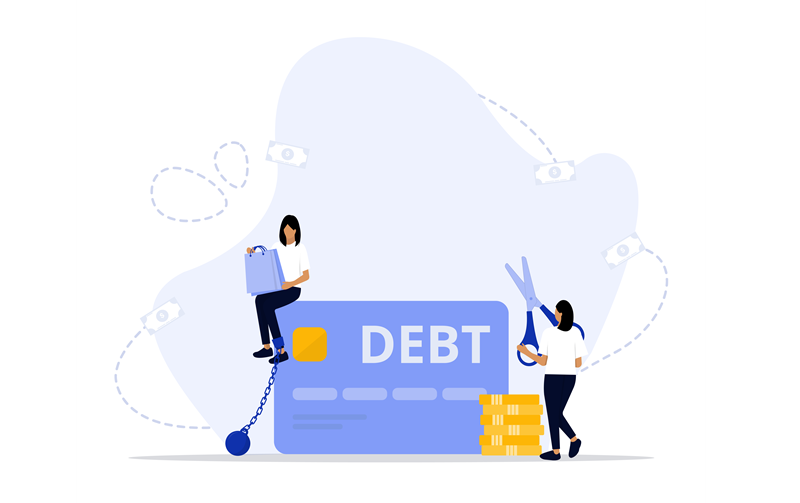

Everyone needs financial stability in life. Whether you wish to manage credit card debt or build a positive credit history, using credit cards can be an excellent decision. You can also get travel discounts and cashback offers from regular use of credit cards that simplify your experience. However, no matter how significant credit card usage sounds, misusing it might result in financial distress. So, if you ask, ‘How bad is a credit card debt?’ This post gives you the best answer. If you want to achieve financial goals and peace of mind, you must understand the best ways to use credit cards while managing debts accordingly. Let’s find out the best way to manage credit card debt.
Credit card debt is essentially the total sum you owe to your card provider because you used their funds for buying items, taking cash out, or moving balances. You start building this debt the moment you fail to settle your entire monthly bill by the specified date. Once that happens, the bank adds interest costs and potentially gives you penalty charges.
Managing credit card debt poorly often leads to significant financial stress for you. High interest rates make it difficult to clear the original amount. This often traps people in more debt. You need to stick to a budget & clear your monthly statements on time. Also, stop spending more than you actually earn. Getting expert financial help or looking at an instant personal loan for consolidation might help you fix the situation.
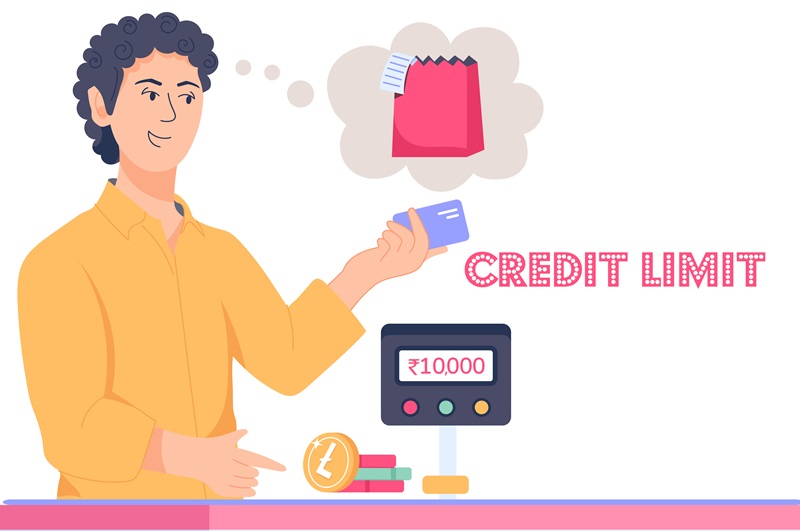
Your bank gives you a specific credit limit. This represents the absolute maximum you can charge to the card. When you buy something, the shop takes that amount from your limit & you then owe that specific balance to the issuer.
You need to make payments on time if you want to avoid extra interest or penalties. You can choose to pay just the minimum (which is usually a tiny percentage of the total) but this is a trap. If you only pay that minimum, you aren’t really reducing what you owe because interest keeps piling up on the leftovers.
Ideally, you should clear the whole credit card debt balance before your deadline hits. You must at least meet that minimum requirement shown on your statement by the due date. Missing this can hurt your credit score and cost you late fees. Really, you should pay the full bill every single month to ensure you never pay a penny in interest.
If you hit the limit on one card, your other cards might still work for new shopping trips. However, you must ensure you clear the balances on every single card every month. This is the best way to manage credit card debt without letting interest eat your income.
If you have balances on several cards, you must pay the minimum on all of them to stay current. Once that is sorted, pick one card to attack with extra cash until it reaches zero. You can choose your strategy based on your personality or your maths.
1. High-Rate Method
Look at your statements and find the card with the highest interest percentage. Put all your extra money toward that one first. This saves you the most money over time since you stop the most expensive interest from growing. It is a very logical way for managing credit card debt.
2. Snowball Method
With this plan, you pay off the smallest balance first regardless of interest. Once that card is clear, you move all that cash to the next smallest one. It might cost a bit more in interest, but the quick win keeps you motivated. This is a great tip on how to manage my credit card debt if you need a psychological boost.
Check your latest statement closely. If you only pay the minimum, you will be in credit card debt for years or even decades. Paying even a little bit extra each month slashes the total interest you end up handing to the bank. Your bank actually has to show you a table on your bill that proves how much faster you finish if you pay more. You also save money if you send your payment the moment the statement arrives rather than waiting for the deadline.
Consolidation is a tool that helps you pull several high-interest bills into one single account with a better rate. This lets you pay off the principal faster without necessarily needing bigger monthly payments. Here are two ways you can do it:
1. Transfer Balances: You can move your debt from expensive cards to a new one with a low introductory rate. You might pay a 3% or 5% fee, but the interest savings usually outweigh that cost.
2. Use Home Equity: If you own a home, you might use its value to get a lower-rate loan to clear your cards. A long term loan like this often has better rates, though you have to watch out for closing fees.If you choose to consolidate, you have to change your habits. Don’t go out and spend on your empty cards again. At times, taking a short term loan with a fixed repayment schedule is better than relying on revolving credit. You need to learn how to manage credit card debt as it helps you stop the borrowing cycle.
You may find using credit cards extremely advantageous for daily transactions. However, as a financially organized individual, you must learn ways to manage your finances better. If you have been in credit card debt, it’s time to use the following strategies to manage credit card debt. Get an insight into the following points to understand the best ways to manage debt when using credit cards:
Managing your credit card debt cannot be considered without understanding your debt. For this reason, you need to collect your credit card statements and add the balances. This will give you an idea of the amount you owe on your credit card. Then, you must list the basic expenses, such as what you need monthly.
It might be your mortgage payment, groceries, car loan amount, and others. Next, you should include the minimum payment on your debt and subtract the amount from your monthly income. The amount of money you are left with is for additional debt payment. You can put some money in an emergency fund, too.
The best way to manage credit card debt is to understand your debt cycle. So, what do you mean by a debt cycle? Simply put, it’s when the borrower takes on more debt continually than the amount, they are able to repay. This mostly happens if you are an impulsive buyer who gets carried away with your expenditures.
So, the monthly balance increases when you have a lot of debt with higher interest rates. Making a minimum payment excluding your interest would merely reduce the balance.
As a result, your credit card company raises the credit limit, and you end up with more debt. So, you should first consider paying more than the minimum amount due. With this step, you can reduce interest charges and improve repayment. You must avoid the following things to ensure you aren’t in a debt cycle:
If you have been in a debt cycle for months, it’s time you take that one step forward and ensure financial management. Besides creating your budget and cutting down on expenses, you must avoid using your credit card for a few months.
Simultaneously managing various credit cards may be quite challenging for debt management. Every card you use has its own billing cycle. Notably, each comes with a particular due date and minimum payment amount. Managing two or more cards at the same time might result in late fees and penalties.
You can address this issue tactfully by streamlining your credit card portfolio. The best way to do so is by evaluating your credit card needs. With such a step ahead, you can better control your credit card and manage debts effectively. However, paying off the highest interest rate should be your priority if you already have debt on multiple credit cards.
You can do so while handling multiple cards with varying interest rates. In simple words, this method is referred to as the avalanche method. Using this method is the best way to manage credit card debt.
It simplifies and quickens your debt repayment while reducing the interest paid over time. Ensure you maintain a minimum payment on other credit cards to avoid penalties and maintain a credit history. You can use this same strategy on other cards once you have paid the interest for the first one.
Getting cash from a credit card might itself be a complicated topic. But for those savvy credit card holders, withdrawing money from their card might sound like a simple step. However, you should never perform an act that may come with hefty transaction fees. Credit card companies offer a grace period to pay the balance for purchases.
However, there are no provisions for zero interest or a grace period for cash advances. A few cards may charge you for a particular transaction with a cash withdrawal that adds to your cost. So, using your credit card to withdraw cash might be the biggest mistake that may impact your financial well-being in the long run.
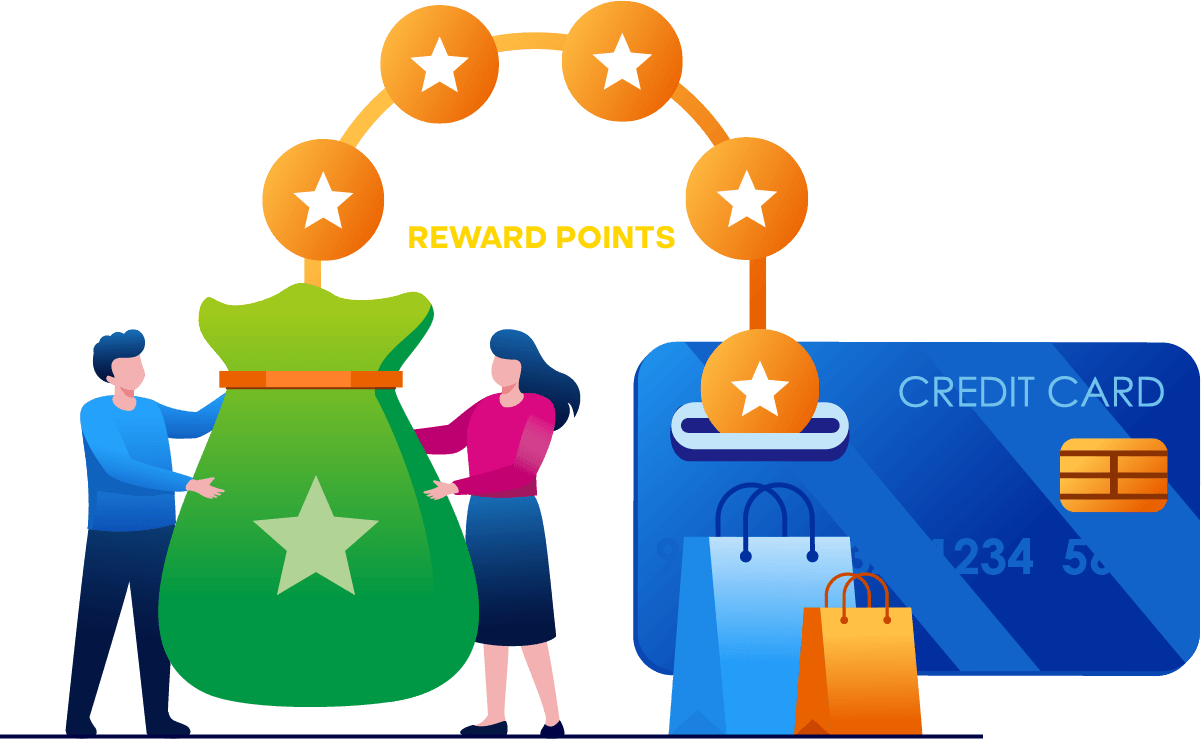
Using reward points to offset your credit card balance is the best way to manage credit card debt. Reward points are bonuses the credit card holder earns after every purchase via the card. That means higher-valued purchases will offer more points.
For instance, suppose you have bought a flight ticket on a credit card. You will earn more reward points compared to grocery items. You can redeem these points later or exchange them for selected brand purchases or vouchers. For someone who wishes to manage their debt, redeeming reward points to reduce their financial burden is better.
You can use these reward points to settle your credit card balance. However, it depends on certain credit card companies. If your company offers this option, you can use these points to offset the balance.
Even financially responsible individuals may fall into the debt trap. However, there are ways you can build a positive credit. Even with strict financial restrictions, you can manage your debt effectively. The best way to manage credit card debt is by tracking your expenses.
Monitor when and how you spend monthly. Losing your spending track may result in higher expenditure. So, if you want to manage debt and avoid hefty bills, keep yourself aware of your card usage by following these things:
A credit card statement enlists your transaction details on your account over a particular timespan. Besides your account balance, you can get an insight into your statement balance, due date, and minimum payment due. It also shows your credits, payments, interest, and charges during a particular time.
By classifying your spending, you can determine your spending habits. You can enlist different categories like food and transportation (among others) and review spending regularly.
Your financial struggle starts from the moment you start repaying the amount. You can reduce the concern by understanding the bill payment options. You can undertake this step right when you apply for a credit card. In general, the following are the payment methods that usually financial institutes offer:
One quick note: Converting your dues to monthly EMIs is a practical step to pay debts quickly.
So, you must consult a bank or financial institute to understand the payment options when applying for a credit card.
When you wish to manage credit card debt, carefully implementing the above strategies helps you overcome financial troubles. With the above-proven methods, you can protect yourself against credit card debt and ensure financial stability in life. You can adopt the above credit card practices and build a strong foundation for using the card responsibly. So, begin prioritizing your expenses and set up your monthly budget accordingly. Never forget to pay off your minimum balance due.
This situation starts when you spend more on your card than you can afford to pay back in a single month. If you carry a balance past the due date, the bank charges interest. This interest then gets added to your original balance. Because of this, you end up paying interest on top of interest, which grows your credit card debt.
No, they don’t have to be a burden. A card is just a tool for payments. You only enter credit card debt if you fail to pay the full statement balance by the deadline. You are simply using the bank’s money for free while improving your credit history if you spend within your means and settle the bill every month.
Imagine you buy a laptop for ₹80,000 on your card. When the bill arrives, you only pay the ₹4,000 minimum. The remaining ₹76,000 stays on the card and the bank adds 42% annual interest to it. Next month, you owe more than ₹76,000 despite your payment. That growing unpaid balance is your credit card debt and it requires a plan to clear.
Yes, it is quite a serious financial issue. High interest rates on credit card debt can drain your monthly income and stop you from saving for a home or retirement. It also stays on your credit report. If you have too much debt compared to your income, lenders might reject you for a mortgage or other important loans in the future.
You should build an emergency fund so you don’t rely on plastic when things go wrong. Track your daily spending to ensure you stay under budget. It helps if you set up an automatic full payment for your bill every month. Once you clear the balance, keep your spending low to ensure you remain in control of your credit card debt.
The best method depends on your discipline. Most experts suggest the “Avalanche” method because it targets the highest interest rates first. By killing the most expensive debt, you save the most money. However, the most effective way is whichever one you can stick to until every card hits a zero balance. Consistent, extra payments are the key to losing credit card debt.
You must contact your card provider immediately to discuss your situation. They might offer a hardship programme or a temporary lower rate. You could also look at a debt management plan or an instant personal loan with a lower interest rate to make the monthly costs more manageable. Ignoring the problem only makes the credit card debt grow faster and hurts you.
Download our personal loan app to apply for a personal loan. Get up to 2Lakhs* as a personal loan. Download Now!


Sign into avail a personal loan up to ₹ 2,50,000

Unifinz Capital India Limited is a Non Banking Finance Company (NBFC) registered with the Reserve Bank of India (RBI). lendingplate is the brand name under which the company conducts its lending operations and specialises in meeting customer’s instant financial needs.





 RBI CMS
 RBI Sachet


