
Did You Know?
We serve loans, the best way you can borrow
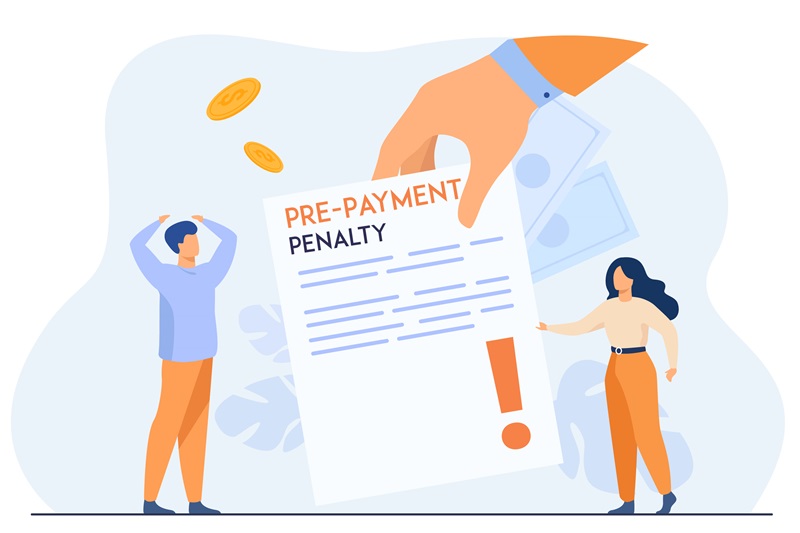

The lender imposes a penalty for prepaying a loan before the agreed period is over and this penalty is called a “prepayment charge”. This fee should be understood because it can affect financial planning. The advantages of prepaying loans include a reduction in interest costs and a shortening of the loan term. Nevertheless, most debtors are ignorant about early payment penalties. Understanding the concept of prepayment penalty and the potential impact of prepayment of a loan can significantly influence your financial decisions.
This refers to any term in an agreement that penalizes borrowers who pay off their debts before the maturity date. Such penalties could be characterized by different types:
1. Fixed Penalty: A flat amount paid if the loan is paid off before time. It is a simple type of penalty that can be easily determined. Nonetheless, it may cost you more if you decide to pay much of your loan early.
2. Percentage-Based Penalty: This varies concerning either the outstanding balance or prepaid sum. When you owe a lot and it is settled before the due date, this kind of penalty may lead to substantial charges.
3. Sliding Scale: The age of the loan or how much has been repaid early determines its progressive penalty rates. The closer one gets to the actual maturity date for such loans, the lesser will be the fine hence this gives an incentive for keeping up with payments throughout one’s tenure as a borrower. This kind of penalty tends to favor borrowers since it minimizes the financial burden on them in case they repay ahead of schedule.
These categories assist in helping borrowers expect prospective expenses when planning on early settlement. One needs to peruse the loan document very well and also consult with his/her lender regarding any prepayment-related concerns.
A prepayment penalty is only imposed when the borrower pays the complete outstanding loan amount before the loan term ends. During the prepayment, a lender earns interest. But when the borrowers opt for early repayment, this reduces lenders’ earnings. The penalty charge helps them recover a part of their total loss.
Such charges can apply not only when the loan is cleared early. Some lenders may also charge it even during times when a significant part is prepaid in a single go. In different cases, lenders use prepayment penalties to balance lower interest rates offered on the loans.
The penalty amount usually depends on remaining principal as well as the interest to be collected. It is the fixed fee stated in a loan agreement. You need to review the terms before you sign the loan contract with a lender.
Want to know the prepayment penalty meaning? A loan prepayment is one feature offered by a few lenders. The bank or lender lets the borrower pay the amount before the scheduled date. It can be done in full by clearing the whole loan before time, or partial payment by paying a lump sum to reduce the overall outstanding balance.
Loan prepayment is an option to settle a loan before the maturity date. It can be done partially or in full. It is done partially by paying a lump sum to reduce the outstanding balance & in full by clearing the whole loan. However, this entirely depends on the terms.
Paying the instant personal loan earlier than planned can be a smart move. Here are the prime advantages-
1. Save Interest: Cutting down on interest costs is the biggest advantage. Note that personal loans usually have fixed personal loan interest rates. It means a longer tenure will result in a higher interest rate. Prepaying (partly or fully) reduces the total amount.
2. Shorter Loan Tenure: Prepayment ensures faster debt clearance. A lump sum or regular payments can shorten the loan period rather than following the original schedule. You can become debt free & manage with savings or new investments.
3. Increasing Credit Score: Your lender will consider you as a responsible borrower if you make early repayment. The credit utilization ratio improves as soon as the outstanding debt falls. This is a significant aspect when it comes to credit scoring. With this, qualifying for future loans at great rates becomes easier.
4. Increased Financial Flexibility: Monthly EMIs may strain your budget. Clearing a loan early helps you free up the cash that would otherwise be used for other priorities. You can use it for emergency needs or investments too. Ultimately, it gives you peace of mind & greater financial control.
5. Prepayment Penalty: A few lenders charge a penalty for prepayment. This might reduce the savings from lower interest. You must calculate whether the benefits outweigh the additional charges before deciding to use a prepayment penalty calculator.
Lenders charge prepayment penalties in various ways. It depends on the type of loan as well as the lender’s policy.
How to calculate prepayment penalty? Your lender calculates the loan amount & personal loan processing fee. Then the lender calculates the prepayment penalties in different ways. It depends on the type of loan. Calculating prepayment penalties is quite simple. You need to find out the basic steps below. The following are the common methods –
1. Based on Interest Costs: Some lenders apply the penalty on the total interest payable over the loan term. You may still have to cover a portion of the interest if the loan is prepaid early.
2. Percentage of Outstanding Balance: Lenders charge a fixed percentage of the remaining loan amount as your penalty fee in a few cases. A higher outstanding balance means more charges.
3. Flat Fee: Some lenders offer a fixed prepayment fee that remains the same – regardless of how early you clear the loan.
Lenders apply prepayment penalties to protect themselves from losing expected interest income. The early payoff may disturb their cash flows and reduce overall interest receipts. Additionally, these fines make borrowers stay with the same lending terms, discouraging refinancing or switching lenders too often.
Spotting prepayment penalties is important to know the total cost of your loan and be guided by that when making financial decisions. Once you choose to settle your debt before time, such charges may largely determine what you do with your money. As a result, it is essential to pay attention and read meticulously concerning the early payment terms. Consequently, one can save their loans better without facing penalties that would damage their economic well-being.
Look at each line in the loan document for any clauses indicating early repayment fees. Pay attention to phrases that mention fines or charges for paying back before time as well as any other verbiage that may be related to that topic and realize that such information is usually hidden in small print; therefore, be ready to take enough time reading them word after word.
Things like penalty amounts, conditions flow, and timing among others should be closely observed while examining earlier payment conditions. As far as when it is incurred and how such a penalty is calculated are concerned know all these situations under which an individual may make his or her decision on whether or not he or will want certain payments made unto him or very fast so this must be put into consideration by someone who wants to do away with costs related with some improper debt.
These steps ensure you are aware of any potential penalties before making early payments. It is also advisable to ask your lender directly about any prepayment penalties and seek clarification on any unclear points. Being proactive in understanding these terms can save you from unexpected costs and financial strain.
Loans include various types which might not be obvious to borrowers whether they are prepayable or not. When you are aware of typical forms of loans that generate these fines, it becomes easier to forecast expenses.
Let us see some common loans imposing prepayment penalties for homeowners:
Fixed-rate mortgages or adjustable-rate mortgages can both attract charges if one decides to pay before the usual time frame has elapsed. Such fees serve as guarantees towards lenders just in case a borrower pays off his/her mortgage prematurely. Still, those homeowners who have plans on refinancing or disposing of their homes ahead of the loan term must be informed about these provisions.
Some auto loans will contain language about prepayment penalties. These sanctioned amounts are put in place by lenders who fear losses they may suffer due to borrowers settling their debts too early than expected. First, check if there are any additional fees for paying your car loan off ahead of schedule.
Fines can be imposed on either secured or unsecured personal loans. The rates at which these penalties are charged vary significantly among the different lenders, depending upon the exact terms and conditions, under which the loan was made. For example, understanding the particular terms might help you determine whether or not repaying money owed in advance will be advantageous financially.
Lenders often protect themselves from prepayment by including a prepayment penalty. However, considering business loans with a prepayment penalty is important since such terms could affect your cash flow management.
Is a prepayment penalty considered interest? The following are the two types of prepayment penalties-
A soft prepayment penalty is charged when a loan is closed early or refinanced during the tenure’s initial years. But the penalty does not apply in case the loan is repaid using proceeds from selling a property.
Here’s an example to give a better understanding-
Let’s take the example of a fixed-rate loan of 5 years with a soft prepayment penalty. Suppose you wish to refinance it within the first 3 years. In such a case, your lender may charge 2% of your remaining loan balance. But the penalty is waived if the home is sold and the loan is cleared using the sale proceeds.
On the other hand, a hard prepayment penalty is stricter. It applies in both cases be it for refinancing or repaying after selling the property.
Consider the following example for a better insight –
Let’s say you have taken a fixed-rate loan for 7 years with a 3% hard prepayment penalty.
The penalty would be ₹6,000 if the loan balance is ₹2,00,000. This is regardless of whether the borrower refinances after 4 years or sells the property & clears the loan.
Evading prepayment penalties need to be carefully planned and strategically done. Certain strategies can be utilized for such penalties to reduce or even disappear completely so that early repayment can go uncharged. Therefore, when managing debts correctly these are some ways in which you can overcome them without prepaying fines through the following steps.
Make sure you have understood all the terms before signing the loan agreement including any prepayment penalties. Review the clauses for early payment and consider how they might impact your financial situation. Make inquiries on anything unclear from the lender to ensure there are no hidden costs.
Talk to them about doing away with prepayment penalties or reducing them. If you have a good credit history or are refinancing a large loan, lenders may want to change their terms as they seek to keep your business. It is worthwhile investigating these possibilities to slash down on or completely remove any possible charges.
Find out if you qualify for loans that do not carry pre-payment penalties. Several lenders offer flexible term products enabling borrowers’ early redemption at no additional cost. Carry out research before comparing various options and thereby make an informed choice of loan suitable for your future financial plans.
You must ensure that your payments are done within the timeframe given to discourage any financial losses. The point is, if you keep to the time frame of your payment schedule and avoid partial or late payment, then this will enable you to escape any penalty charges involved. Besides, regular payments also play a part in preserving a good credit history.
These techniques will assist you in reducing and even eliminating prepayment penalties. If you want to save some money, before making hasty decisions about prepayment of loans make sure you have enough facts about it.
The costs of prepayment penalties may be enormous. You should understand what could happen if you attempt the prepayment of a loan ahead of schedule to evaluate its true cost. To identify the implications of pre-payment penalties on your financial status and future creditworthiness let us try discussing a few issues ranging from general upward price trends down to things like credit rating points that affect financially one’s ability again to borrow further.
These charges raise the entire expense of the loan making early payment less appealing. Additional charges may offset potential savings from settling the loan before time and lead to higher monetary expenditure than expected.
An individual’s credit score may be affected by high fines as well as one’s likelihood of acquiring credit in the future being hampered. This could lower your credit rating if there is financial pressure or missed payments due to prepayment penalties. As such, it becomes harder for people with this kind of low ratings to secure loans on good terms in the future.
Some lenders may consider that having a penalty fee structure is a risk factor and therefore restrict whether you qualify for another loan. Lenders may go through past loan documents, noting any presence of such penalties as an indication that you are not stable financially or even risky which will limit amounting options for lending money.
Being aware of these consequences can help you make better financial decisions. Understanding how prepayment penalties might impact your overall financial health allows you to plan accordingly and choose loan terms that align with your long-term goals.
You must evaluate the impact on your finances before you decide to prepay the loan. A few key points to keep in mind include the following:
1. Maintain an emergency fund to manage unexpected expenses without any financial stress
2. Consider the impact of early repayment on tax benefits (since prepaying may reduce deductions available on home loans)
3. Review whether the loan has a lock-in period or prepayment charges (note that fixed-rate loans often include such fees)
4. Assess the current as well as future financial needs to ensure prepayment does not disrupt long term planning.
The RBI has introduced certain guidelines to protect individual borrowers. As per RBI guidelines, banks and NBFCs are not allowed to impose prepayment charges on floating-rate loans sanctioned to individual borrowers. RBI prohibits prepayment penalties on floating-rate loans. This helps borrowers to repay the loans early without spending any additional costs. It reduces their interest expenses and lowers the debt burden faster.
Whereas fixed-rate interest loans, as well as loans taken by non-individuals, will still have prepayment charges. This depends on the lender’s policy and the terms of the loan agreement. Borrowers shall go through the loan document very carefully to understand applicable charges before making a prepayment.
RBI, through these regulations, promotes transparency and improves customer convenience. It also ensures borrowers don’t have to face a penalty for taking advantage of reduced interest rates or a better financial situation.
In closing, knowledge of prepayment penalties is important to managing your finances well. By carefully reviewing the loan terms, negotiating with lenders, and considering loans without prepayment penalties, you avoid unnecessary costs. Always read the details and look at every alternative that will enable you to make informed choices. This will ensure that one gets the most from prepaying a loan and has a good financial future.
Many banks as well as lenders charge a prepayment penalty on personal loans. It is a fee that compensates lenders for their loss of interest income. The penalty amount may vary from one lender to another.
Prepaying a personal loan can be beneficial. It reduces interest costs while helping you achieve a debt free status. But you must consider the following before deciding prepayment charges, loss of tax benefits and liquidity needs.
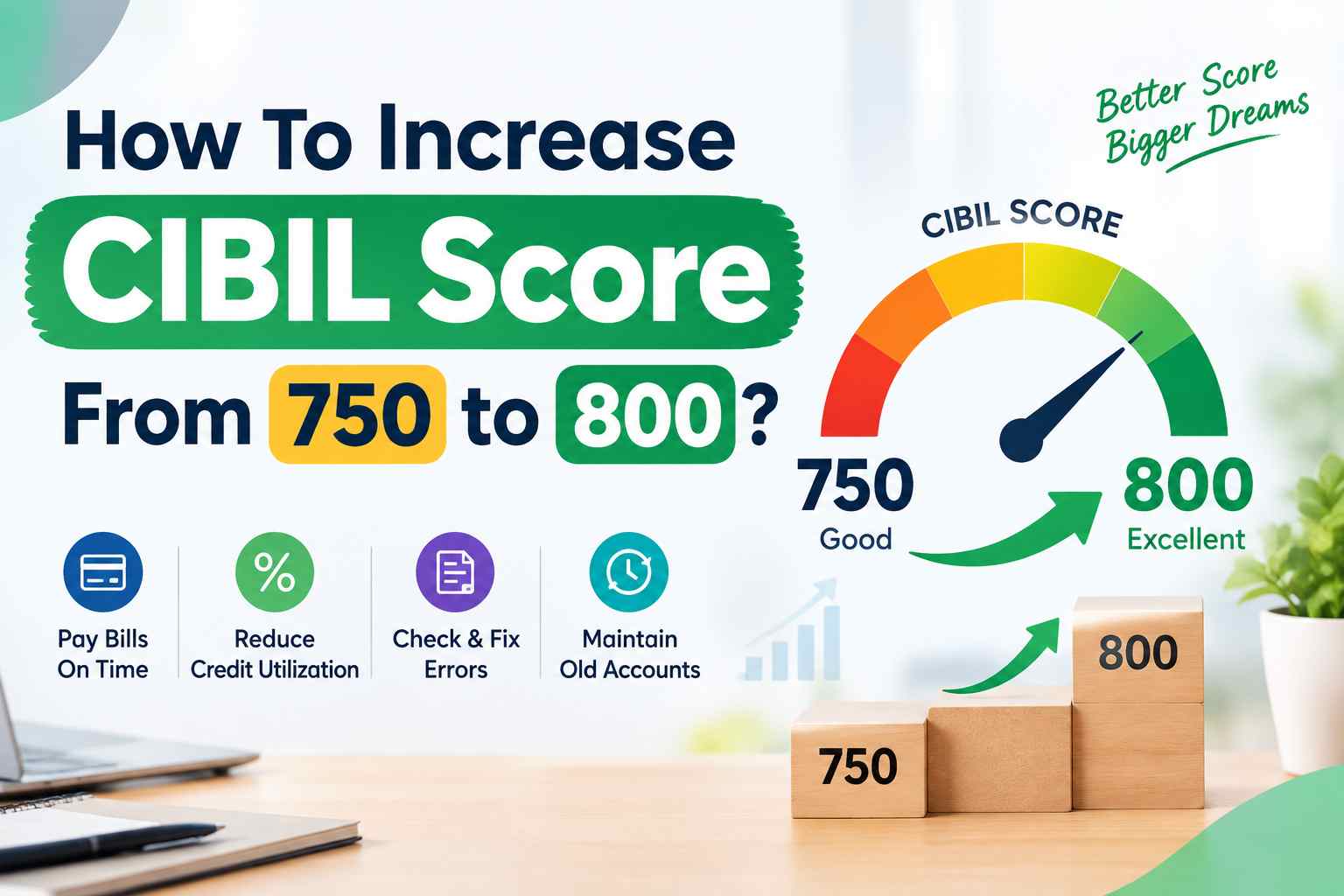
Prepayment can impact your CIBIL score. Reducing outstanding debt improves the credit utilization ratio. That may increase eligibility for future loans at the best terms. But penalties from prepayment can become disadvantageous if you do not plan it carefully.
Banks charge prepayment penalties to recover the loss of interest income when you repay early. Lenders arrange the loans to earn interest over the years. Early repayment reduces their income.
Banks can legally charge a prepayment penalty on personal loans. But it should be clearly mentioned in the loan agreement. As a borrower, you need to review this beforehand.
Prepayment penalties are usually calculated as the outstanding loan balance. It’s based on interest costs or fixed charges. The calculation depends on lender policy as well as loan type. You need to request the breakdown from lenders before prepaying.
The prepayment penalty on a personal loan typically ranges between 2% & 5% of outstanding loan amount. The charge depends on the lender, loan type and repayment stage. You must confirm the exact percentage with the bank before prepaying the loan. This avoid unexpected surprises.
Lenders, in most cases, levy a penalty for prepaying personal loans. These charges vary depending on loan terms as well as lender policies. A few lenders may waive them (especially for floating-rate loans). On the other hand, the fixed personal loans carry prepayment penalties. Check with your lender before proceeding with any step.
You need to choose loans with flexible repayment options to avoid prepayment penalties. Floating-rate loans may not carry these charges. You should negotiate terms before signing & wait until the lock-in period ends. You may also opt for part prepayments with a proper plan to minimise penalties.
Closing a personal loan early reduces total interest paid. However, you need to understand the prepayment penalties & liquidity needs. Prepayment can be smart if it aligns with your future goals, provided the savings from reduced interest should outweigh the penalty.
Prepayment reduces the interest paid on your personal loan. You can lower the principal balance earlier to minimise future interest charges.
Lenders earn a huge income from the interest on loans. When borrowers prepay the loan, it will reduce the loan tenure, which leads to a loss in expected future interest income. If too many borrowers prepay the loans, then lenders will not be able to offer loans at similar interest rates. This can impact their profitability.
Download our personal loan app to apply for a personal loan. Get up to 2Lakhs* as a personal loan. Download Now!


Sign into avail a personal loan up to ₹ 2,50,000

Unifinz Capital India Limited is a Non Banking Finance Company (NBFC) registered with the Reserve Bank of India (RBI). lendingplate is the brand name under which the company conducts its lending operations and specialises in meeting customer’s instant financial needs.












 RBI CMS
 RBI Sachet


