
Did You Know?
We serve loans, the best way you can borrow
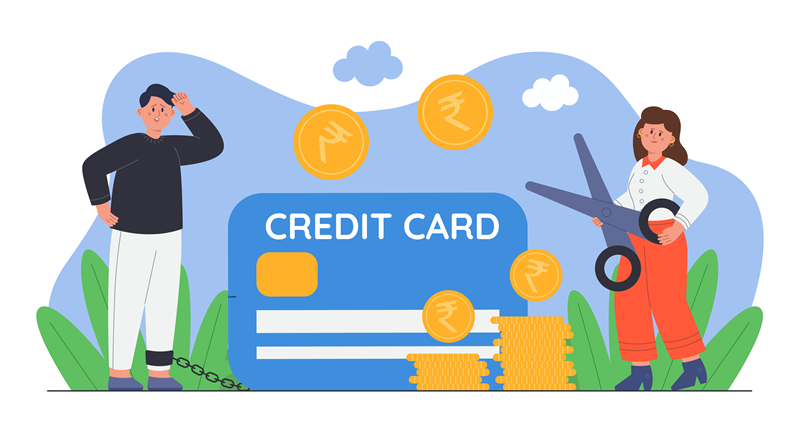

So, you have been searching for the right answer to 'How to get out of credit card debt quickly?' That's why you are here in this post.
First things first, owning a credit card might sound like a saviour solution that meets your urgent financial requirements. It also helps you make utility bills on time. However, the increased credit card interest might affect your mental health. It may also hamper your credit card score or CIBIL score. So, if you wish to ensure financial peace of mind, you have arrived at the right post.
Using credit cards is only safe when you are responsible for reducing debt. Otherwise, when bills add up on a regular basis on your credit card, you may fail to make payments appropriately. Altogether, it's a frustrating experience to see bills adding up to previous months. That results in a huge debt.
So, if you have one or more credit cards, it's time to make wise decisions. Refrain from the harassment of bad credit reports and other repercussions. Welcome to this post that explains the straightforward steps to get out of credit card debt conveniently. Let's find the steps below.
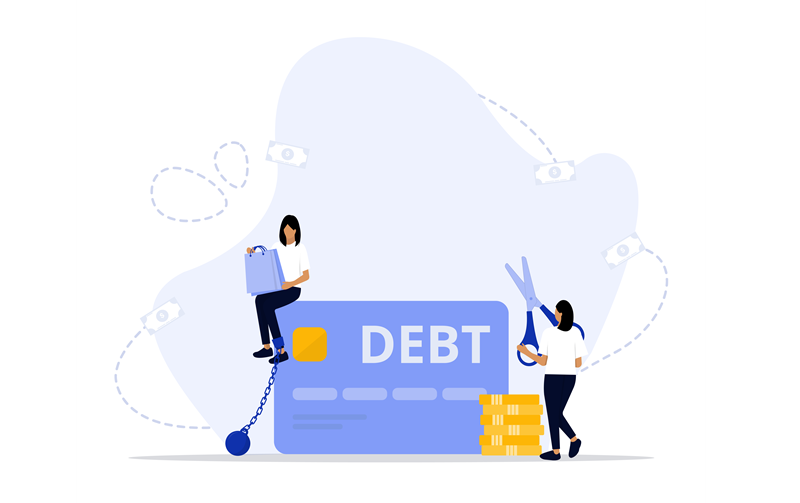
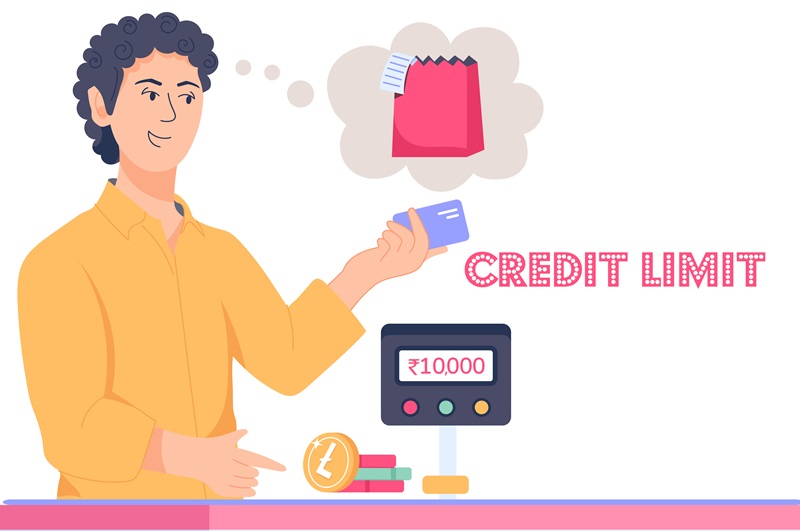
Credit card debt is the amount of money you owe to a credit card company for purchases you made with your credit card. It works similarly to an unsecured loan, in which you must repay the full amount borrowed up to the credit limit. If you pay the minimum amount due or an amount less than the full balance, then the remaining amount becomes credit card debt. High interest and penalties are charged on this outstanding balance.
Suppose you have a credit card bill of ₹25,000. Now you have paid only ₹15,000 before the due date. Then the remaining ₹10,000 will be considered as credit card debt. Interest and penalty will be charged on this outstanding amount. Interest charged will be very high.
Credit card debt may not always have a negative impact. Sometimes it can also be beneficial. Here are some of the advantages of credit card debt: -
If you use the credit card on a regular basis and repay the debt on time, then it can help you build a strong credit history. This can help you in getting faster loan approvals in future.
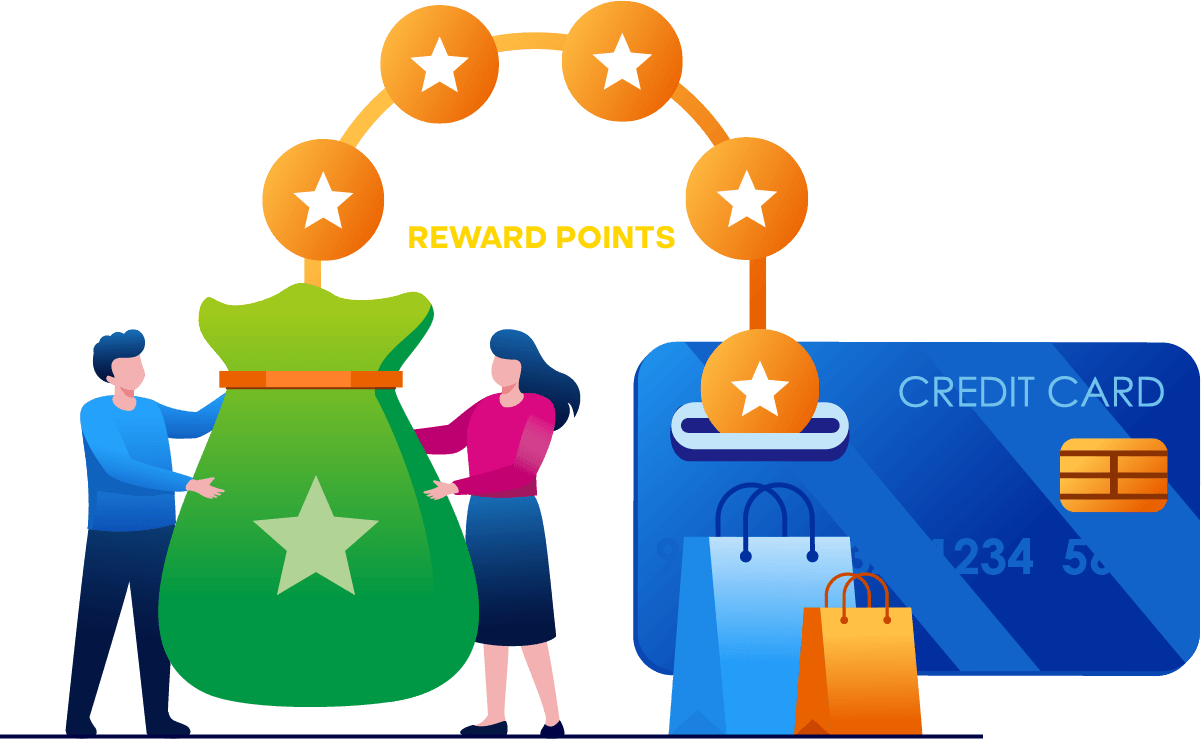
Many credit cards come with purchase points, cashback, and rewards. This means you will be rewarded for spending. You can redeem these rewards or use it in exchange to get various benefits.
When you face an unexpected financial emergency then a credit card can be a lifeline. It offers immediate cash in such situations when you don’t have any other way to get funds.
A credit card allows you to make purchases even without any cash or funds in your bank account. You have the flexibility to repay this amount later on.
You need proper planning and discipline to manage credit card debt. In this process, you improve your budgeting and financial management skills.
Many credit cards provide an interest-free period. This means if you repay the debt within the time frame, then you don’t have to pay any interest. This is like borrowing money for free.
Credit cards are widely accepted throughout the world by all types of vendors. Hence, it becomes a convenient option for international travel or online purchases from foreign websites.
Certain credit cards can save your money and hassle by giving additional protection like extended warranties, insurance on purchases, fraud protection etc.
If you use a part of your credit limit and make regular payments, then it reflects responsible credit use. This can improve your credit score.
Credit cards help users to buy things without money and convert large purchases into EMIs. If you use the card properly, then you can even improve your credit score. They can also help you achieve your financial goals.
However, some people don’t use it properly and get into debt. Hence, borrowers need to understand how a credit card functions. Here are some of the common mistakes that can lead to debt:
Your credit card comes with an interest rate. If you don’t pay the credit card bill on time, then interest will be charged on this bill. This can increase your debt. Hence, always pay the credit card bill before the due date.
Credit card allows the facility to pay the minimum due and continue using the credit card. But people forget that you will have to pay interest and penalty on the remaining amount. This will increase your debt even if you don’t make any purchases.
Different cards come with different kinds of rewards. Some offer rewards for fuel usage, some for travel and some for dining. In order to get all kinds of benefits, some people get multiple credit cards. There is no harm in this, but this can increase your spending. Moreover, it’s difficult to track multiple credit cards as each comes with a different due date and interest rate.
One of the popular reasons why people get into credit card debt is that they spend more than their budget. Frequent shopping and dining out can increase the outstanding balance.
Improper budgeting and too much usage of credit cards can lead to a cycle of debt. This is one of the major reasons behind the rising credit card debt in India.
Credit card debt affects the overall well-being if it's not managed properly. Credit cards give you convenience, but if unpaid balances are carried forward for a longer time, then it can lead to higher costs and financial challenges: -
If you don’t pay the outstanding credit card bill on time, it can lead to high interest charges. This will increase your credit card debt in the long run. You will find it difficult to repay this, and it can put pressure on your monthly budget.
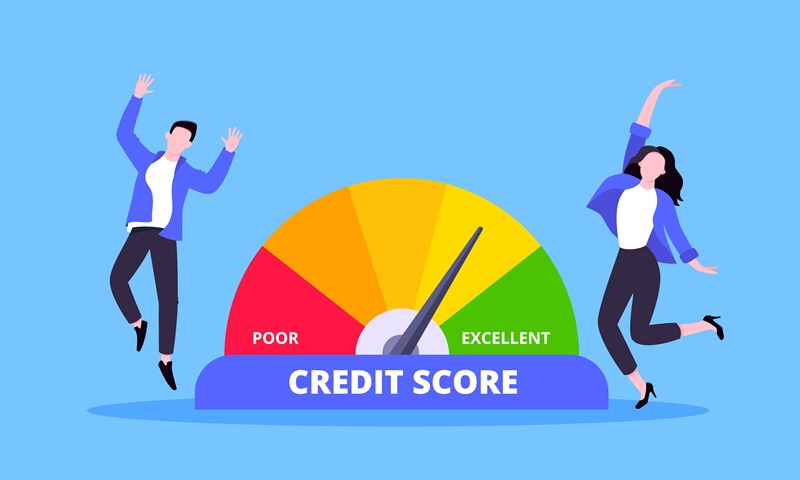
If you don’t pay the bills on time, then it can have a negative impact on your credit score. With a poor credit score, you will face difficulty in getting loans in future.
Increasing debt can create financial pressure on you. You will have less money to save, invest and meet daily expenses.
Wondering how to move a high-interest debt to an almost 0% APR credit card? The process might sound complex, but you can make things more favourable with a few tips and tweaks. So, are you wondering how to pay off credit card debt when you have no money? The below-offered steps can guide you to get out of credit card debt.
Also Read: Annual Percentage Rate
Understanding how much debt you have on your credit card is the prime step. So, follow these sub-steps to make brainstorming easier.
To pay off credit card debt, you must first list your debts on your credit card(s). Write down your outstanding balance on the credit card(s). This step offers an insight into the total debt due if you have multiple cards.
For multiple credit cardholders, recording the rate of interest is important. You can get the amount for higher interest rates quickly by jotting down the outstanding balance.
Once you find out the credit card interest, you must note down the monthly payment due. You may write your annual charges to be doubly sure of your debt amount. A sincere individual should also enlist the payment dates on every credit card. They should be aware of the payments to avoid late fees.
Once you compile the data, store it in an Excel sheet. You may use separate columns for your outstanding balances, annual charges, payment dates, names of credit cards, etc. So, the track helps you pay off credit card debt in a more effective way.
After you collect the information about your credit card debts, it's time to make a strategy to pay the amount. You can follow the below-offered approach to pay the credit card debt on time and effectively:
Each credit card company or bank offers unique and specific conditions. The rate of interest may also vary from one credit card to another. As a cardholder with multiple credit cards, your prime objective is to pay the highest rate at first. Once you pay the maximum interest rate, it will automatically reduce your dues. Using multiple credit cards can make it hard to manage debt. Here you can learn disadvantages of having multiple credit cards.
Credit cards allow you to transfer your outstanding balance into EMIs. You can pay these EMIs monthly. The amount is affordable, and it won't hamper your financial health. Usually, banks and financial institutes charge around 1.5% to 2% monthly to convert the balance into monthly EMIs. You may try negotiating with the bank to lower the overall expense.
Now, you can transfer your money to the new credit card or apply for an instant personal loan option.
Someone who owns multiple credit cards can find this step effective. You may close a credit card that has an excessively high outstanding balance. But before you close it, you must transfer the balance to another credit card. The new card may have less interest compared to the last one. If you want to transfer the balance to another card, you can follow these steps:
If you want to follow the online steps, first you must log into the account. You must include your name, debt amount, and account details. Alternatively, you can request the transfer via a call.
Generally, the issuer takes around 2–2.5 weeks to accept the balance transfer request. You might need to make a monthly payment on the old credit card debt. Your issuer offers the terms for this balance transfer by posting the payment directly to the account.
The total payment includes your balance transfer charges (3–5% of your transferred amount). It shows up as the outstanding balance on your account. You may expect to receive a notification as soon as the balance transfer is complete.
Check out lendingplate's Personal Loan Balance Transfer
Most credit card holders (who have multiple accounts) don't feel safe with the previous option. They think it's pointless to close a credit card when there are many others where credit card debt can rise rapidly.
Another reason deactivating a credit card won't make sense is when the card is solely for personal or business purposes. In such cases, when you cannot close the card, you may opt for an instant personal loan to pay your debts on time. Here's your step-by-step procedure to get a personal loan and get out of credit card debt:
The minimum age to apply for a personal loan is between 18 and 21. Someone below 65 can also apply for such a type of loan. You must be an Indian citizen to apply for the loan.
Usually, the interest rates might vary from one personal loan to another. If you are applying for a loan from the online portal, you need to follow the instructions mentioned in the financial institute's online portal.
You must press your 10-digit phone number to apply for a personal loan and pay off credit card debt. Soon after that, you will receive an OTP. You must verify it to continue.
Now, the website will ask you for the location. You must offer the pin code and continue. Now, it's time to fill out the form by giving details such as your gender, date of birth, current address, income status, occupation, and email address.
The registered website may ask you for a clear photo. So, you must click on a clear photo and submit it online. Wait for a few seconds for your CRIF report to generate in the backend.
Now, you need to fill out the employment details. Mention the following things to ensure the verification occurs hassle-free:
After giving these details, you need to verify your professional email.
Soon after you verify your professional email with the above details, you must upload your bank statement and pay slips. Once you upload these documents, you must verify them with your personal documents.
You need the following documents to apply for an instant personal loan online:
The application is complete once you submit these documents. You must wait for the approval of your application. After the loan application gets approved, you will get the amount credited to your bank account. You can use this amount to clear your credit card debt instantly.
Also Read: Factors That Decide Personal Loan Approval
Here are some tips that can help you avoid credit card debt: -
Always prefer to pay the entire statement balance in full each month. This will help you avoid interest and penalties. If you can’t pay in full, then pay as much as you can. Don’t fall into the trap of minimum due payment.
Start creating your budget, which includes all earnings and income. This will help you set limits on credit card spending. Avoid unnecessary spending such as dining out and OTT subscriptions. Start monitoring your credit card use and see for patterns that lead to debt.
Some unexpected circumstances can occur at any time. In such times, you may have to use your credit card. To avoid this, you should create an emergency fund of 3-6 months. Now, if an emergency arises, you won’t have to rely on your credit card.
Keep checking your credit report and credit score on a regular basis. This makes debt management convenient and improves your financial health.
Most people wonder whether there is any credit card debt forgiveness post-COVID. However, unfortunately, maximum credit card companies do not grant any debt forgiveness until and unless the payment is past due on your outstanding debt for multiple years. You may discuss this with your credit card company beforehand.
So, the above steps make things simple to get out of credit card debt. You can apply for personal loans if you plan to reduce your debts shortly. However, you must find out and understand your eligibility criteria and check the interest rates accordingly.
You also need to check the documents that are mandatory for the personal loan application. With these things considered, you can apply for urgent personal loans. These loans are a great consideration in case of emergencies. However, you must understand its risks and benefits beforehand.
So, this post has clarified your queries regarding 'how to clear credit card debt in India?' Now, it's your turn to follow these steps and make wise decisions.
Yes, you can pay the credit card debt in full before the due date. This will save you from interest charges and additional penalties. It will also keep your credit utilisation ratio low.
If you pay the minimum amount due on your credit card, then you can save yourself from late payment fees. But it will result in high interest charges on the remaining balance. This will increase your overall debt and increase your financial burden.
Yes, credit card debt can affect your CIBIL score if you don’t pay it on time and have a high credit utilisation ratio due to that. It’s advisable to pay the credit card bills on time and keep credit balances low so that your CIBIL score is not affected.
If you want to consolidate credit card debt, then taking a personal loan is a good option if it’s available at lower interest rates than your credit card. It will help you save money on interest and combine multiple bills into one payment.
There is no need to close the credit card to pay off the debt. You can clear credit card debt by regular payments. Active credit cards will be beneficial for your credit score.
If the credit card debt remains unpaid for a long time, then the bank or credit card issuer can proceed with a recovery procedure or legal action as per applicable laws. Hence, if you are unable to pay the credit card debt, then it’s advisable to talk about it with the lender.
If you have credit card debt, then it's advisable to stop using the credit card unless you repay the debt. This will limit your debt and make you debt-free soon.
Download our personal loan app to apply for a personal loan. Get up to 2Lakhs* as a personal loan. Download Now!


Sign into avail a personal loan up to ₹ 2,50,000

Unifinz Capital India Limited is a Non Banking Finance Company (NBFC) registered with the Reserve Bank of India (RBI). lendingplate is the brand name under which the company conducts its lending operations and specialises in meeting customer’s instant financial needs.





 RBI CMS
 RBI Sachet


