
Did You Know?
We serve loans, the best way you can borrow
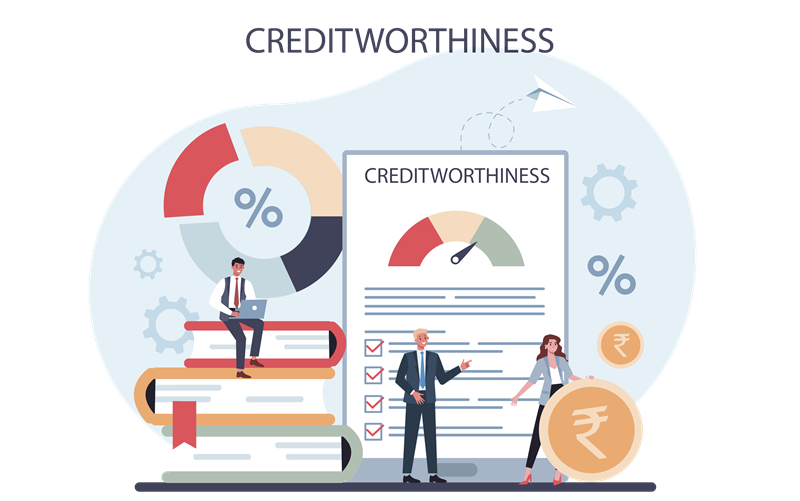

Creditworthiness is one major element that influences whether an individual can attempt to get credit and the terms on which they will be given credit. In the context of lending, creditworthiness can be very important, both for individuals borrowing money and for companies that are looking for financial support.
Creditworthiness positively affects the nature of loans obtained; favourable creditworthiness gives one a chance to obtain better terms than poorer creditworthiness, which leads to either very high personal loan interest rates or refusal of credit.
High creditworthiness means that the borrower has a high credit standing, so lending institutions can trust him. They not only affect the facilities regarding the approval of a loan application but also determine the interest rate, the amount of the loan, and the period of repayment.
When it comes to borrowing, it may be worth noting that credit scores, credit ratings, or the lack of them are far from being a mere number for borrowers; rather, creditworthiness is part of borrowers’ identification. It is a measure of successful past monetary conduct and an indicator of future creditworthiness.
In a country like India, where financial literacy has a rising trend, the significance of creditworthiness can improve the quality of financial decisions people make and, thus their ability to access financial goods.
Unlike CROs, lenders mainly depend on creditworthiness in order to reduce risks. Through the assessment of the credit status of the borrowers, lendingplate will be in a position to direct the appropriate credit products towards the right markets, in this way meeting the test of the marketplace as it provides for credit requirements while staying out of vices of unsustainable credit provision.
This balance is very important in the financial industry, especially where customer satisfaction and potential risks are vital components in the achievement of financial objectives in the business.
Being creditworthy makes your life much simpler when you need to borrow money. It helps you get credit for things you cannot pay for with cash right away. This is very useful for big life milestones like buying a car or funding a degree.
Lenders do not just see this as a “yes” or “no” situation. They look at your specific creditworthiness score in India to decide how much risk you bring. Most banks use risk-based pricing. This means if you are highly creditworthy, you get the lowest interest rates. If your score is lower, you will likely pay more in fees and interest.
A strong profile helps with more than just bank loans.
You can see how a lender views you by looking at the same data they use. Checking your own records helps you stay ahead of any surprises (it is always better to know before you apply).
If you are a business owner extending credit to a customer, you must be careful. You need to know if they can actually pay you back.
Keeping track of credit health should be an automated process. Using software helps you catch risks before they become expensive problems.
Creditworthiness is therefore a function of several factors that, cumulatively and individually, are important in the evaluation by creditors. Among the key influencers, it is possible to identify the credit history of the borrower, which is one of the critical aspects. This consists of information regarding the payment history of past loans, payments made on credit cards, and any other credit facility availed by the borrower. A number of factors, such as payment record and credit utilisation, add to credit strength, which can increase credit quality and make the borrower even more appealing to lenders. For instance, lend a hand.
The last of these restraints is a borrower’s credit score and credit rating. In India, credit reporting is done by credit bureaus, namely CIBIL, Experian, and Equifax. These scores are between 300 and 900, and credit risk that is considered better is associated with high numbers.
Among the most efficient ways in which the creditworthiness of individuals can be improved is by making all the payments on time. This ranges from loan repayments, credit card balances, bills, recurring consumptions, and the like. On the same note, punctual payments keep credit records clean and, by extension, credit scores high.
Any lendingplate customer with a good credit checking record will always be in a better position to get better personal loan interest rate charges and quick approval of his or her loans since it will show the lenders that the customer is a responsible, reliable borrower.
Due to this, the borrowers should ensure that they have constantly made their payments or set themselves or themselves reminders of the payment dates. This helps to avoid such a situation when payments are missed, which has a rather negative effect on credit histories.
Also, credit card payments should be done beyond the minimum to help repay the balance early, which will also enhance creditworthiness. If borrowers remain disciplined in making their payments, it will take them time to establish the kind of credit profile lenders will be willing to fund.
Debt management and control are other factors that can help improve credit ratings. This is achieved by the early settlement of outstanding balances. Having more than the desired limit of debt is undesirable to lenders since such borrowers might not be capable of handling other loans.
For customers of lendingplate, the following implications mean that they can obtain better loans and other financial products if they limit their outstanding debts. This can be done through the following techniques: for example, clearing the debts that attract higher personal loan interest rates; or else, amalgamating the number of debts into one, which would then be easier to pay.
These credit reports contain information that borrowers can correct in order to improve their credit score, in case there are wrong entries. For lendingplate customers, monitoring credit reports guarantees that their credit standing is well captured since they play a vital role when obtaining credit facilities.
Any discrepancy that may be identified should be challenged with the credit bureau to ensure that the credit report matches the actual financial behaviour of the borrower.
The second way of enhancing creditworthiness is through the diversification of credit types. lendingplate also wishes to see the customers have some credit experience in using credit products such as credit cards, personal credit, and secured credit. It is useful to diversify credit for the purpose of proving that the borrower is able to meet several obligations, which will in turn enhance their credit capacity.
A specific approach to the diversification of credit involves eligible credit under secured and unsecured credit. Fixed-rate loans are those in which the personal loan interest rate is fixed for the entire term of the loan; they include unsecured loans like student loans and secured loans that have collateral and include home or auto loans.
Such types of loans are personal loans or credit cards, which are not secured and are granted based on the credit standing of the borrower. Taking care of both types of credit may augur well for the borrower, thus making them accepted by lenders when they are in need of credit.
At lendingplate, creditworthiness, like what has been seen above, is considered an important filter during the loan-granting process. Creditworthiness is used to not only determine the possibility of a loan being granted but also the possibility of the interested party offering the best loan terms and conditions possible.
Customers with better credit scores are usually provided with better loan terms, which include lower nominal personal loan interest rates, a higher amount of loan, and other more flexible repayment plans. This is so because they are associated with a lower risk profile for the money owner, and thus the exchange is beneficial to both parties.
lendingplate also uses the borrower’s financial behaviour together with typical credit scoring factors, including the way they spend their credit and how they handle other credit products. This broader evaluation assists the organisation in making the right lending decisions while also catering to the borrower’s ability to repay the money borrowed as well as catering to the lending platform’s risk management policies.
lendingplate also pointed out the fact that creditworthiness is a factor that influences the loan terms most directly. Mortgage applicants with more creditworthiness are usually offered lower interest rates, larger amounts of credit, and a flexible repayment period. This is so because they are rated as low-risk in terms of their ability to repay their loans and thus repay them on time as well.
Essentially, where lendingplate customers are able to enhance their credit scores, facilitating better creditworthiness, they stand to benefit a great deal when it comes to the achievement of their financial goals when it comes to the question of paying the cost of a loan over a predetermined time frame in the form of affordable instalments.
A high credit rating has other advantages, and one of them is a quicker decision on granting or refusing a loan. I have noted that, for instance, lendingplate is more likely to fast-track the approval of loans in cases involving credit-worthy borrowers.
This is due to people with high credit scores being less risky, and thus the lenders can process their applications and approve them with little checking. For target lendingplate customers who want easier access to funds, proving strong credit worth has a positive way of shortening the time it takes to secure a loan, thus helping meet their needs for the funds in the best manner.
Your own financial habits directly affect your company. This is especially true if your business is new or small. Since the business has no history yet, lenders look at you instead.
This blog focuses on the creditworthiness of the borrowers, with special reference to those who seek loans from financial institutions. Moreover, knowledge of the creditworthiness determinants and their active management will increase the chances of getting the best conditions for the credit.
The credibility analysis is crucial to the lenders in determining the risks involved in lending so as to stabilize their operational activities. More to it, as seen in today’s financial world, one has to sustain an excellent credit score in terms of credit worthiness so as to have access to the right financial product for the need, and the improvement of the credit standing is the most important facet of financial health and success.
Building a solid reputation takes time. You cannot fix a history of missed payments overnight. Usually, you need at least six months of consistent activity to generate a score. You should aim for years of on-time payments if you want to show high creditworthiness. Your score improves as your accounts age and you prove you can handle debt responsibly over long periods.
Yes, it is the main factor. Lenders use your creditworthiness to decide how much to charge you for the risk they take. If you have a top-tier score, you qualify for the lowest rates available. If your score is low, the bank will charge you a higher rate to protect themselves. This makes borrowing much more expensive for you over the long term.
Lenders look at Character, Capacity, Capital, Collateral, and Conditions. Character is your track record. Capacity is your ability to repay based on income. Capital shows how much money you already have. Collateral is an asset you pledge against the loan. Conditions refer to the purpose of the loan and the economy. These five pillars form the basis of a professional creditworthiness assessment for you.
The most common way is checking your credit score. A creditworthiness score in India ranges between 300 & 900 in India. A score above 750 is usually considered excellent. Lenders also look at your debt-to-income ratio and your employment stability. They want to see a clear pattern of you earning enough money to pay back everything you owe without any struggle or delay.
A good score is a huge part of the puzzle. It tells lenders that you have handled debt well in the past. However, what is creditworthiness involves more than just a number. Even with a high score, you might struggle to get a loan if your income is too low or if you recently changed jobs. Your score is the primary tool, but not the only one.
Paying every bill before the due date is the best habit you can have. You should also keep your credit card balances low compared to your limits. Avoiding too many loan applications in a short window also helps. These creditworthiness examples show lenders that you are disciplined. Consistency is the key. Your profile stays strong for years if you manage your money wisely.
Download our personal loan app to apply for a personal loan. Get up to 2Lakhs* as a personal loan. Download Now!


Sign into avail a personal loan up to ₹ 2,50,000

Unifinz Capital India Limited is a Non Banking Finance Company (NBFC) registered with the Reserve Bank of India (RBI). lendingplate is the brand name under which the company conducts its lending operations and specialises in meeting customer’s instant financial needs.










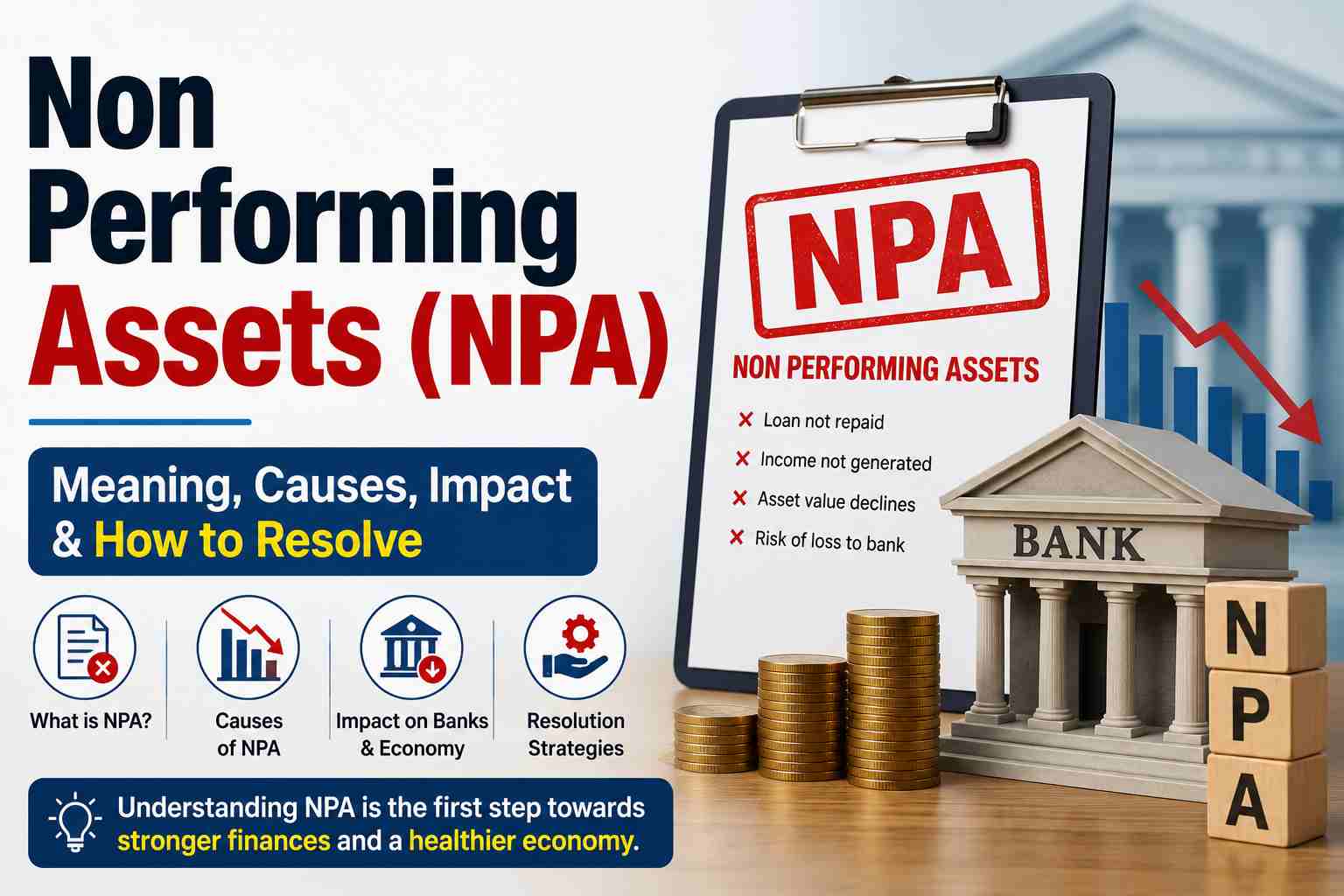




 RBI CMS
 RBI Sachet


