
Did You Know?
We serve loans, the best way you can borrow

Salaried millennials can conveniently meet their financial requirements using a credit card. This contemporary world embraces the use of credit cards as a lifestyle accessory. From helping you make convenient payments to increasing your chances of an instant personal loan, it can offer maximum rewards. The thought of switching your credit card comes with an objective to get better rewards. So, are you planning to switch credit to get lower interest rates and improved terms? Now is the right time to consider a new card. And on your challenging journey to finding a suitable credit card, this post comes as a saviour solution. Let’s find out how to choose the best credit card in India in this post.
No universal “best” card exists because everyone handles money differently. Some cards pack more value. However, their worth depends on your specific goals. Each offer comes with distinct interest rates and benefits. You might find one card suits your lifestyle while another feels like a poor fit. Your choice depends on your current CIBIL score and how you plan to use the plastic in your wallet.
Learning how to choose the right credit card starts with looking at your options. You need to see how different banking products align with your financial habits. It is about matching the card features to your actual needs rather than just picking a popular name. (Actually, many people skip this step and regret it later).
You must look at where your money goes every month before you apply. This step helps you figure out how to choose the right credit card without guessing. You need to review your bank statements to see your true costs & look for regular habits. Check your monthly limits to see what you can afford to repay.
Start by looking at what you buy every single day. Are you spending the most on petrol or perhaps your weekly food shop? You need this data to find how to choose the right credit card for your routine. If you spend heavily on transport, a basic shopping card won’t help you much.
You should identify if you have certain times of the month (when you spend more). Maybe you spend a lot on films or clothes when you have free time. Recognising these moments helps you pick a card that gives you the best returns for those specific buys. This is a great way to figure out how to find the right credit card for me.
You need to use apps that help you track your budget. This lets you set limits. Using these features helps you manage your debt before it becomes a problem. Knowing your limits is part of choosing the right credit card for long-term stability.
If you are here to learn how to choose a credit card for the first time, you must first know the difference between credit card and debit card. Credit cards offer access to the line of credit issued by the bank. However, debit cards deduct the money from the account holder’s bank account. Credit cards provide better protection and security against fraud when compared to debit cards.
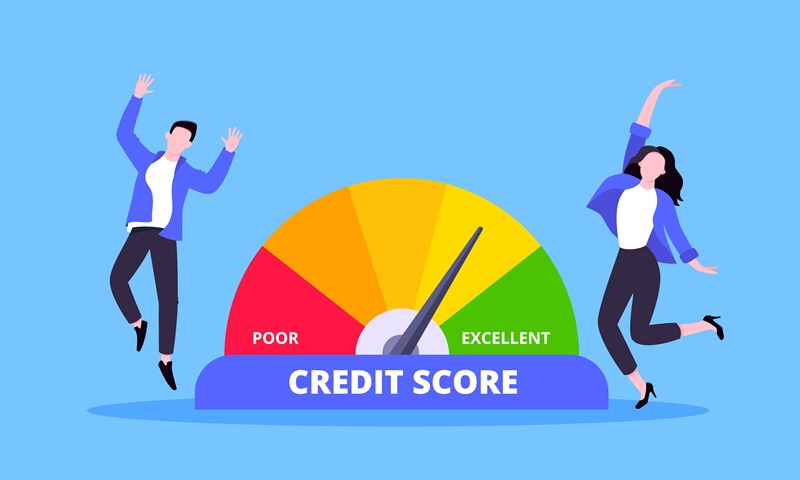
The first step to getting your new card is assessing your CIBIL score. Also termed the Credit Information Report (CIR), it’s a document that enlists your repayment and borrowing histories. This score is based on other variables affecting your fiscal position.
Notably, the CIBIL score is a benchmark for creditworthiness in a country like India. It includes your credit score and other financial transaction details. This 3-digit number can be anywhere between 300 and 900.
Undoubtedly, 900 denotes the maximum creditworthiness. On the other hand, 750 or above is ideal for instant personal loans. This score is also suitable if you want a new credit card.
Now that you are planning to choose a credit card, it’s imperative to maintain a good credit score. That helps you get lower interest rates and better terms for instant personal loans.
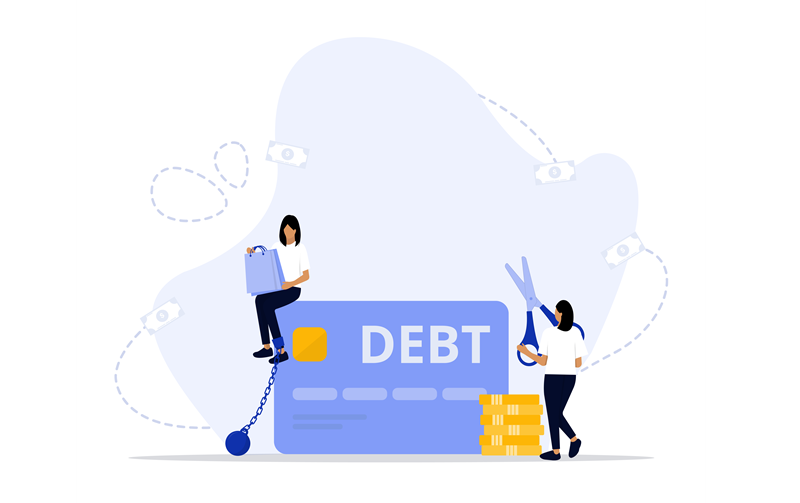
That’s where understanding the difference between good credit and bad credit becomes imperative. Good credit is the credit that one can afford to purchase things. On the other hand, bad credit is the credit that the cardholder cannot afford.
India offers various credit cards based on salaried individuals’ needs and preferences. They come with benefits and rewards based on applicants’ spending requirements and income. An applicant can select a credit card with benefits like instant personal loans and others. Here’s a rundown of the types:
This card will benefit you in each fuel transaction you make. A cardholder can save on refuelling by getting cashback and other fuel surcharge waivers. You can redeem your credit card reward points for a predetermined value. Additional rewards with these cards include entertainment benefits, wellness offers, dining, hotel booking, etc.
If you are a frequent flyer, you can make payments via these cards. Certain banks or credit card companies collaborate with travel and airline companies to offer travel discounts.
Using such a card helps a cardholder earn air miles or get access to airport lounges. Rewards are converted to air miles that you can use on your seat upgrades or flight ticket booking. You can also get holiday and hotel discounts, dining, and so on.
Co-branded cards come in association with a travel aggregator, retail brand, or financial institution. It lets customers enjoy benefits like rebates and discounts from a retail partner brand.
These cards have no restrictions on usage, meaning you can spend money based on your needs. However, you shouldn’t undermine setting your limits and ensure timely payments. That will improve your credit score and chances of instant personal loans.
Other types of credit cards you can find on the market include the following:
The last step involves comparing the best deals while choosing the credit card.
Almost all cards offer some rebates or the other. But if you are determined to carry a balance on the card, please select one with a lower interest rate. That will save money on the interest charges.
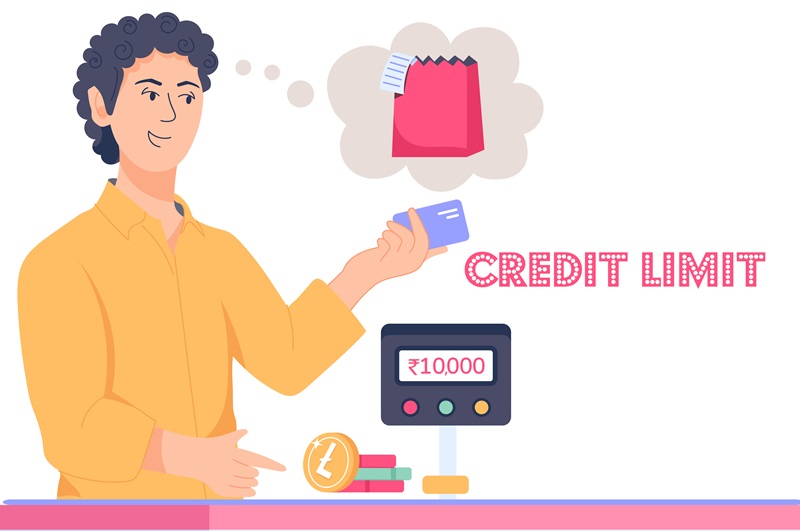
You can’t guarantee future monetary challenges, but you can secure your chances earlier by assessing the maximum credit limit. If you apply for an instant personal loan later in life, your lender will see your credit score. Ensure you check the credit limit set on your card even before choosing one.
The last thing you would want is to end up getting a card with a huge annual fee. A few cards are available with a yearly fee, which greatly varies from one bank to another. So, consider the annual fee and whether you can afford it.
If you are unsure about the annual charges, make a self-plan and earn rewards to balance this payment. Also, look for the repayment options for instant personal loans while choosing the card (cash, EMI, etc.).
Here are some pointers to help you stay on top of your finances:
1. Most issuers give you a grace period of about 21 days. If you clear your full balance by the due date, you won’t pay interest on what you bought. You lose this perk if you carry a balance over to the next month.
2. Missing a payment deadline costs you money and hits your credit rating. If you go 30 days without paying, the bank tells the credit bureaus. This makes it harder to get a low personal loan interest rates in the future.
3. Try keeping the debt levels low. Experts suggest using less than 30% of your available credit. Lower usage usually helps your score stay healthy.
4. These products are not always simple. You must read the fine print about fees and charges. Understanding the rules is a major consideration when you ask how to choose the right credit card.
5. Applying for too many cards at once can drop your score. Every application triggers a hard check on your file. Space your requests out by at least six months to be safe.
You can get perks like cashback or air miles for your spending. Some cards give you a big bonus if you spend a specific amount early on. Do not spend extra just to get these rewards (that is a trap).
If a bank says no, they must send you a letter explaining why. You can use this info to fix your profile for next time. Here is what you should do:
1. Read the rejection letter to see the exact reason for the “no”. You usually get this within a month.
2. Check your credit file for mistakes. You have the right to challenge any wrong information you find there.
3. Ask the bank to look at your file again. Maybe you missed some income on the form. A quick phone call might change their mind.
4. Work on your profile. You could pay off old debts or ask to be an authorised user on a family member’s account. This is a smart way to learn how to find the right credit card.
5. Wondering which credit card is right for me? Look for a card that matches your current score. If your rating is low, look for cards meant for rebuilding credit.
You should ask yourself what you want to get back from your spending. Finding how to find the right credit card means looking at your hobbies.
Do you eat out often?
If you spend a lot at cafes or restaurants, look for dining-specific perks.
Do you drive to work?
Petrol costs can be high. A card that offers cashback on fuel can save you a lot over a year.
Do you travel frequently?
If you fly often, you should look for cards that waive foreign transaction fees or give free lounge access.
Market rates go up & down. Your debt can become more expensive when inflation hits. Understanding this helps you know how to choose the right credit card for the current climate.
If you hear that rates are going up, look for cards that help you pay off debt faster. You might want a card with a low-interest offer to help you clear a balance. Banks change their deals often, so keep an eye out for better introductory rates. (It pays to be alert).
Remember that closing an old account might hurt your score. It is often better to keep the old one open even if you get a new one. This strategy helps when you need an instant personal loan later. You should also compare personal loan processing fees if you are looking at different ways to borrow.
Typing “Which credit card is best for me with no credit” on Google isn’t the only way you can evaluate the right type. Determining your financial goals is also imperative. So, before you consider the best option, ensure that you follow these steps and prepare for a secure and healthy financial future.
You should calculate if the rewards you earn outweigh the yearly fee. Suppose a card costs ₹100. It is only justifiable when it gives you ₹200 in cashback or travel perks. However, a no-fee card is better for you if you do not spend enough to trigger those benefits. Always check your actual spending before committing to a paid card.
A “good” rate usually falls below the market average, but it depends on your credit history. If you have a high score, you can get much lower rates. You should compare different offers to see what the standard is at the moment. Keep in mind that paying your balance in full every month makes the interest rate matter much less.
Many cards provide more than just a way to pay. You might get free travel insurance, purchase protection, or extended warranties on electronics. Some offer access to airport lounges or discounts on movie tickets and concerts. You should read the benefit guide to see all the hidden extras. These perks add a lot of value if you actually use them.
You can use travel cards for your daily shopping or bills. They work just like any other card at the till. The main difference is that the points you earn are usually best spent on flights or hotels. If you want to travel more, using one for your daily bread and milk is a fast way to build up points.
There is no fixed number that works for everyone. You should only have as many as you can track easily. Having two or three cards can help you separate business from personal costs or maximise different reward types. The key is making sure you never miss a payment. Having too many might lead to oversight and accidental late fees or debt.
Most people find that two cards provide a good balance of rewards and backup options. If one card has an issue at a shop, you have another ready. It also helps your credit mix. You do not need a dozen cards to have a great score. Focus on managing a few accounts perfectly rather than having many that you barely use.
Generally, having zero balances is good because it keeps your credit usage low. This can actually boost your score. However, if you never use the cards, the bank might close them for being inactive. You should use them occasionally for small buys to keep the accounts active. This maintains your total available credit, which is great for your overall financial profile.
Download our personal loan app to apply for a personal loan. Get up to 2Lakhs* as a personal loan. Download Now!


Sign into avail a personal loan up to ₹ 2,50,000

Unifinz Capital India Limited is a Non Banking Finance Company (NBFC) registered with the Reserve Bank of India (RBI). lendingplate is the brand name under which the company conducts its lending operations and specialises in meeting customer’s instant financial needs.






 RBI CMS
 RBI Sachet


