
Did You Know?
We serve loans, the best way you can borrow
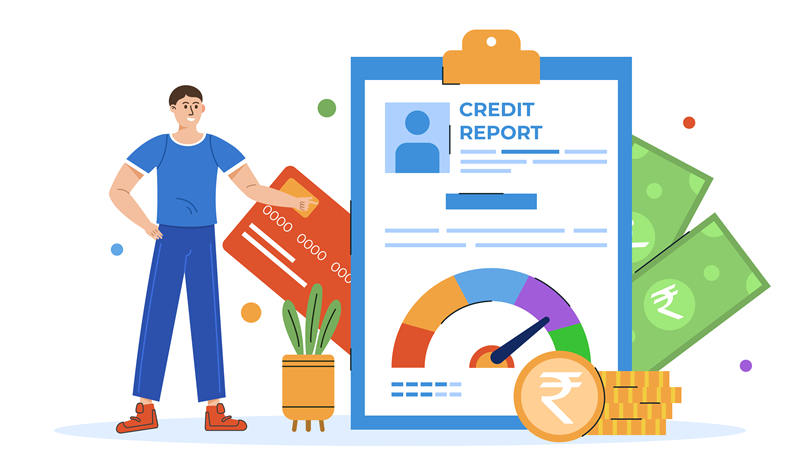

Your credit score speaks a lot about your creditworthiness as a candidate for a loan or new credit card application. So, reading and understanding your CIBIL report is quite significant. However, a beginner who has the slightest knowledge about assessing this financial report would not understand the procedure at the beginning.
That’s why this post brings some easy steps that you can perform to gather the details mentioned in your credit report. Now, what exactly is a credit report, and how does understanding it matter to you? Let’s begin from scratch.
A credit report shows your borrowing & repaying history. This document details your loans, active credit cards, and status of past repayments, including critical events like bankruptcy. Four main credit bureaus in India gather the data (CIBIL, Experian, Equifax & CRIF High Mark. They collect them from banks or NBFCs to create your file. Every single credit report contains these –
1. Personal Data – Your full name, birth date, registered addresses, and your Permanent Account Number (PAN) or Aadhaar details.
2. Credit Account History – Your current and closed loans, alongside credit card facilities. This section highlights your discipline with repayments, meaning late or missed payments visible here will harm your standing.
3. Public Records – Information from state legal records concerning insolvency filings. Indian credit bureaus do not track non-financial public issues like traffic violations or civil disputes.
4. Credit Enquiries – A complete list of financial organisations that reviewed your financial file over the last twenty-four months during loan evaluations.
Your credit score matters because it impacts your financial future. It’s a three-digit number that directly impacts any loan application. Whenever you apply for a loan, your lender decides on the approval based on this score.
Suppose you apply for a new credit card. Your CIBIL report impacts the amount you can get based on your requirements. With a higher score, you can get a lower interest rate from the lender. Overall, it is used to determine the credit limit. If the score shows evidence of financial issues, the lender might consider lowering the loan limit.
You can access your data for free. Most major banks, credit card providers, and online lending platforms give you a free credit report through their apps or websites. By Law, Indian Credit Bureaus must provide you with one detailed file, free of charge, upon request each calendar year. It makes sense to check your records across different bureaus.
Individual agencies receive slightly different updates from lenders. You need to review these documents to protect you from identity theft because it lets you spot accounts you never actually opened. You also possess the right to demand a free credit report if a lender rejects your application for an instant personal loan or a credit card.
Your credit report operates as an archive tracking your entire history of debt and repayments. Your credit score is a three-digit number calculated directly from those deep details. Credit bureaus run your operational data through proprietary algorithms to generate this figure, which ranges from 300 to 900 in the Indian ecosystem. Higher numbers reflect excellent financial health.
The exact score varies depending on which bureau calculates it, the day they run the numbers, and the exact type of funding you need. Your credit score rarely prints directly on the pages of your credit report. You usually have to request it from your bank or a digital credit platform. Lenders scrutinise both pieces of data before approving applications, so monitoring both tools helps you secure better interest rates.
Before you understand a credit report, learn how good a credit score matters. Most lenders consider 750 or above as a good credit score. The following points demonstrate the score bands based on their categories and meaning:
It signifies no history. That means the person has never taken a credit card or loan. So, they don’t have a credit history. It is advisable to build the score to improve the financial future ahead.
This score demonstrates that the credit history has been damaged. Nonetheless, you can build a better score with good financial habits.
It’s a low credit history where the individual has shown good credit habits after being damaged. It is advisable to take steps to improve it for a better future.
It’s a fair credit score that demonstrates one’s eligibility for improving the score.
It’s a good credit score that indicates one’s good credit behaviour. NBFCs and banks would happily accept loan applications with a score between 701 and 749.
It’s an excellent credit score. Having a score above 750 indicates your eligibility for the best offers.
You need to focus on specific sections when reviewing your file.
These negative entries show outstanding defaults or accounts sent to recovery agencies, which severely damage your credit standing.
You might spot flat-out mistakes in these lines. Fix them immediately by reaching out to the specific lender first, then file an official dispute with the credit bureau. If an entry looks like genuine fraud (perhaps a live home loan that you never applied for) act fast. Notify the credit bureau immediately to place an official alert on your profile.
Recognise These Mistakes
Understand credit report because it contains the below-offered details:
Your name and any other name you might have used in the past in connection with the credit account. It may also include nicknames in addition to the following details:
The following are the key details:
The following are the inquiry reports:
While your credit report provides an extensive view of your financial life, it omits specific personal details. Some prominent omissions include –
1. Monthly Income – Your monthly salary or business earnings never show up on your statement. Lenders request your salary slips or bank statements separately to verify income during applications.
2. Savings & Current Accounts – Your report keeps no record of your bank balances, fixed deposits, or debit card transactions.
3. Medical Records – Your medical treatments and hospital files remain private unless an unpaid medical debt moves to an external collection agency.
4. Criminal Background – Your past legal issues or police records do not affect this document.
Your credit report consists of details about the current and previous loans that you have opted for. It may be a personal loan, home loan, car loan, or other types of loans. In short, the CIR offers details related to overdraft facilities and credit cards. If you want to read and understand your credit report, you can follow these steps:
Your CIBIL score is your current credit score. It is determined based on the credit behaviour as seen in enquiries and account sections of the report. In general, the credit score ranges from 300 to 900. As you already know, a score above 750 is excellent.
The next section is the personal details, where you can check certain information like:
While understanding your credit report, you should check out the contact details. Now, this particular section includes your phone number as well as your address. You may add up to four different addresses in the section.
Your account detail is a crucial section that includes necessary information on the credit type. So, you can get information on ownership details, loan amount, your last payment’s date, current balance, account numbers, month-by-month record, and more. You get the payments for the last three years alongside the lender’s name.
Enquiry detail is a crucial consideration. Each time you enquire about the credit card or loan, the financial institute bank will access your CIR. You can get the information in the CIR under the head of ‘Enquiries.’
Lastly, you can get employment information based on your employment monthly or annually. This information gets reported by the associated members—financial agencies or banks.
While reading and understanding your credit report, you should keep a few things in mind. Your CIBIL score is dependent on the following parameters:
Remember that timely payments may improve your credit score. The score is significantly impacted when there are defaults on EMIs or late payments. The repayment history plays a big part in calculating the CIBIL score.
Next are the hard inquiries. Each time you apply for a loan or credit card, your lender is going to evaluate your CIB report. They assess your score via hard inquiries. Multiple hard inquiries might create a negative impact on your credit score. But when you download and check the report, it is called a soft inquiry. This report does not have a drastic impact on the credit score.
The age or duration of the credit history may impact the score. It might be considered bad credit behaviour when you have already used loans for a long time. This has an impact on your CIBIL score.
Suppose you have previously applied for various types of loans, like car, personal, home loans, and more. You have paid the debts responsibly and on time. This act shows your ability to handle various credits. So, if a candidate applies for a loan after building a decent credit mix over time, lenders take an interest in such credit profiles.
However, if you have taken various unsecured loans before, it shows you are dependent on credit. But if you can pay your debt by the due date, it won’t damage your reputation.
Nonetheless, credit mix has a lower impact on your report, and it won’t likely make a lender reject the application.
There are mainly five types of mistakes that you may see in the report, even when you are not at fault:
In the above-mentioned cases where you are not at fault, you can file a dispute with CIBIL. This may take 30 days, based on the time taken to respond.
Creating a clean profile requires solid habits.
Regularly monitoring lets you catch & fix errors before they cause real damage. Maintaining a balanced mix of credit (such as mixing an instant personal loan with a credit card) helps you handle different payments.
Your credit report is a critical financial document that can greatly determine whether you will get credit, secure housing, or find employment. By comprehending how to read and interpret your credit report, you can ensure that its data is correct. You should frequently check your credit report and resolve any misleading or inaccurate information to achieve your financial goals.
Note that creditworthiness is an ongoing journey that requires consistent effort and practice of good credit management. When you take a proactive approach and understand your credit report, it becomes easier for you to move toward financial independence.
A credit report is a detailed log of your borrowing history, tracking your active loans, credit cards, and payment patterns. Understanding this document gives you complete control over your financial standing. It shows you exactly how lenders view your profile, allowing you to fix errors and build stronger credit habits before applying for major financing in the future.
Your credit report holds your official identification details, active and closed credit accounts, and historical payment timelines. It displays current loan balances, credit card limits, and any payment defaults. The document also lists formal hard enquiries made by financial institutions when you applied for new loans, alongside public notices regarding financial insolvencies or legal debt settlements.
Profiles often contain clerical errors, like misspelt names or wrong addresses. You might find closed accounts still listed as active, or on-time payments incorrectly marked as late. Clerical mix-ups can merge your data with someone sharing a similar name. Sometimes, lenders report the same debt twice or fail to update your reduced balance after a payment.
You can easily find what is a credit report by requesting your file online through official credit bureau websites. Indian platforms and financial applications provide these documents. You can access one comprehensive breakdown for free every year from each major bureau, allowing you to monitor your records and verify data accuracy without paying any extra fees.
Start by verifying your personal data section to rule out identity errors. Next, check the account information block to confirm your loan statuses and balances. Examine the payment history grid for any red flags or late marks. Finally, review the enquiries section to see which banks looked at your profile over the past two years.
Negative marks, including late payments, account defaults, and settled accounts, remain visible on your credit report for seven years. This long duration highlights why you must pay bills on time. These black marks degrade your financial score over time, but their negative impact reduces as you build fresh, positive payment records.
Contact the respective bank immediately to report the discrepancy. After that, raise an official online dispute through the credit bureau’s portal. Provide clear supporting evidence, like bank statements or clear closure certificates. The bureau must investigate your claim with the lender and correct any validated mistakes within thirty days of submission.
Regular reviews help you spot and clear up incorrect negative entries that pull your score down. Tracking your file shows you exactly how much credit you use, helping you manage your utilisation ratios better. It reveals bad repayment patterns, allowing you to adjust your spending habits and build a stronger rating.
Learn how to get a credit report to see your full financial history, including every payment and account detail. Your credit score compresses that large history into a single three-digit number indicating your creditworthiness. Lenders use the comprehensive report to see your specific habits and the score to judge your overall risk quickly.
Download our personal loan app to apply for a personal loan. Get up to 2Lakhs* as a personal loan. Download Now!


Sign into avail a personal loan up to ₹ 2,50,000

Unifinz Capital India Limited is a Non Banking Finance Company (NBFC) registered with the Reserve Bank of India (RBI). lendingplate is the brand name under which the company conducts its lending operations and specialises in meeting customer’s instant financial needs.










 RBI CMS
 RBI Sachet


