
Did You Know?
We serve loans, the best way you can borrow

The convenience and flexibility you can get from credit card usage are unimaginably noteworthy. Credit cards have become a valuable payment method, from helping you overcome crucial financial scenarios to making payments on time.
A cardholder can get excellent cashback options or reward points, depending on the type of credit card. Among different types of credit cards, a secured card has become a convenient choice for people with low income or bad credit.
This insightful guide walks you through all the details. So, what are secured credit cards? Let’s discover everything about secured cards in this guide.
Wondering what are the two reasons someone might want to open secured credit cards in India? Firstly, they benefit individuals with a bad credit history or no CIBIL reports.
That’s one reason why it is easily accessible to borrowers. Secondly, it’s a secure choice. Cardholders can avail of the card against a certain amount of a fixed deposit. So, it reduces risks for issuers, too. Compared to unsecured cards that don’t include any collateral, it’s a better option.
The only thing a borrower needs to consider is paying the bills on time. Once you fail to pay the bills in a timely manner, your credit card issuer takes the deposited money.
The Discover it® Secured Credit Card serves as a prime instance of how a secured credit card operates in the real market. You will find that its interest rates and fee structures align closely with standard industry benchmarks.
Card issuers’ target audience includes individuals holding low credit scores alongside people who possess no prior credit footprint. You need to provide an initial collateral deposit of at least ₹5,000 to activate the account. Your maximum spending ceiling can reach up to ₹25,000 or more depending entirely on your verified monthly earnings and your overall capacity to clear balances. The issuer reviews your payment track record automatically after a fixed period to determine if you earn a transition to a standard unsecured account. If you pass this check you get your full deposit back. This specific secured credit card bundle provides cash-back perks that match traditional cards and skips annual platform fees. You face a variable interest rate of 28.24% pegged to figures from late 2024.
Compared to unsecured credit cards, these cards are issued against fixed deposits. The secured one requires a cash deposit that works as collateral.
This particular deposit amount is equal to the limit a borrower receives. This is the most notable difference between unsecured and secured credit cards. In unsecured ones, you don’t require any deposit as collateral.
Someone who is unable to get regular credit cards can choose secured ones. For instance, this card is ideal if you have a lower income or a bad credit history. The bank with which you deposit the amount liquidates the amount to recover the debts if there are any defaults on payment terms.
A customer who holds this credit card needs to deposit a fixed amount until the cardholder uses the card. The bank or financial institute offers a certain amount of capital against the deposit. It depends from one financial institute or bank to another. The card works similarly to the other credit cards. A cardholder can also earn interest.
If you have zero history with lenders or want to repair a damaged credit profile, an option for a secured credit card path that provides an excellent entry point. You get access to features like:
1. Instant Approval Paths: You secure your card immediately against your bank fixed deposit without facing separate rigorous evaluation procedures.
2. Minimal Paperwork: The bank simplifies your onboarding journey by pulling necessary registration details straight from your active fixed deposit account.
3. Flexible Spending Power: Your credit cap scales generously (sometimes matching 100% of the collateral deposit you lock away).
4. Credit Building Properties: Consistent usage combined with punctual monthly settlements allows you to build a positive history over time.
Here’s a list of benefits that make a secured credit card an excellent choice for salaried millennials:
A secured credit card in India is more straightforward to apply when compared to an unsecured one. It does not matter whether you have a low income or a bad CIBIL history.
It only requires a certain amount of cash deposit as collateral that your card issuer will have. The issuer takes the risk by using the card, as they have your cash deposit.
Suppose you have bad credit or no credit. In such cases, applying for unsecured credit cards might be pretty challenging. You may use this card to improve your credit history and inform lenders that you are a reliable borrower.
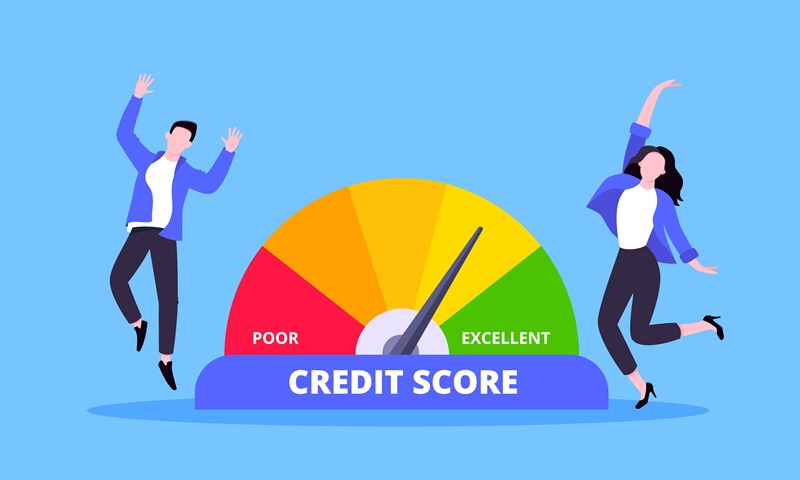
Wondering how much a secured credit card will raise your score? Well, it entirely depends on your punctuality, considering your timely payments.
However, it is noteworthy to state that secured credit cards help you build credit. You can make timely payments and keep your credit usage low. This healthy financial habit shows your responsibility to lenders.
Did you know that a secured credit card can offer additional benefits, considering financial security? Suppose you misplace the card. You can immediately report this to your issuer.
You can use this card just like other credit cards. That means you can make your utility, EMI, and different types of payments.
However, not every credit card would offer all these benefits. Before applying for a secured credit card, you must research and compare different options.
You may also read this: Smart Ways to Use Credit Card for Maximum Benefits
1. Upfront cash requirements: You must park a cash deposit to activate your secured credit card which can lock up your liquid funds. This requirement pinches your wallet if you want a higher spending limit. You should read the return policy carefully to see when the bank actually returns your money.
2. Restricted spending limits: These cards offer very small limits that restrict your purchasing power. A low limit means your daily spending consumes a large percentage of your available balance which actively damages your credit score.
3. Expensive interest charges: Because banks offer these cards to riskier borrowers you will face higher interest rates than standard cardholders face.
4. Extra maintenance costs: You might find hidden fees attached to these accounts like annual charges, late penalties or foreign transaction costs.
Are you a beginner in the world of credit cards? A secured credit card is the best way to start your journey. Here’s how you can use it by following the below-offered steps:
Based on your CIBIL report or high income, you might get approval for the unsecured credit card. However, starting with a secured card is always better if you are new or have a low credit score. So, shop around and find an option.
It’s essential to compare secured cards to find the most suitable fit. The more cards you take into consideration, the better your chances are of getting the best offers.
Note that an applicant needs to be 18 years of age or above. The applicant needs to be an Indian who applies for the secured card. If you meet these criteria, you are eligible for the application.
After you select a few secured credit cards in India, now is the right time to consider comparing the features of each. While comparing the features, don’t forget to consider these aspects:
You may also read this: Disadvantages of Multiple Credit Cards
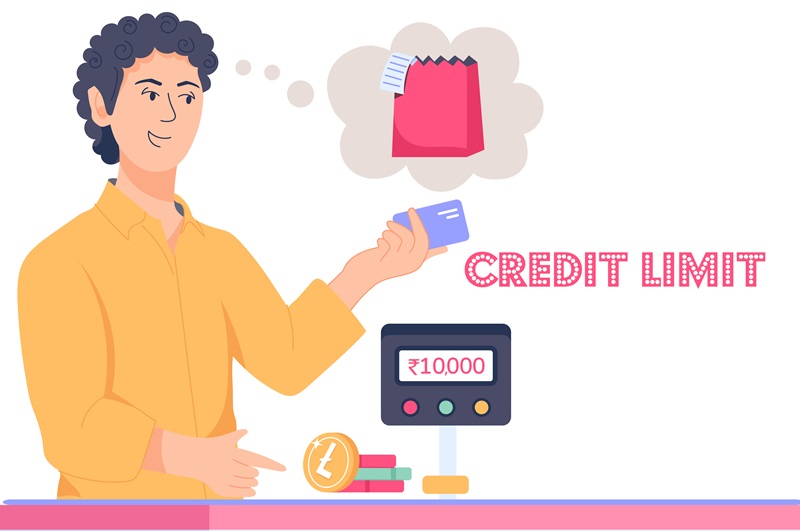
Most secured cards require a minimum deposit amount. The amount you deposit is your credit limit. However, a few cards offer lower deposits, depending on the borrower’s creditworthiness.
You can return your deposit within 6 –12 months with timely payments. After the deposit gets refunded, the card becomes your unsecured credit card. Other issuers might hold on to that deposit until the cardholder closes the account. That might negatively impact the credit.
Most secured cards come with rewards on daily purchases. However, for those with lower CIBIL scores, the card might not offer cashback, miles, or credit card reward points.
Most issuers offer secured cards without a yearly charge. But you will find some credit card issuers offering these cards with an annual fee. So, you must determine this parameter before choosing the right one.
A few secured credit cards in India may charge a higher APR. Someone who plans to pay the balance on time every month won’t face a problem with this card type. However, if you plan to keep a certain balance, you should always avoid cards with higher interest.
Soon after selecting the card, it’s time to visit the official website of the credit card issuer. Learn the essential details required for applying. In general, you would be required to fill out the form by including details like:
Some websites need your education level and bank account details, too. You might need to complete the KYC by uploading your Aadhar card.
After you pay your security deposit, you can get the card. Some issuers need the deposit through a bank transfer. Others may allow you to pay via cheque or net banking.
Both options give you a revolving line of credit to use for daily purchases. They operate on identical payment networks but differ significantly when you look at deposit requirements, spending limits and approval odds. Here is the difference between secured credit card and unsecured credit card –
| Feature | Secured Credit Card | Unsecured Credit Card |
|---|---|---|
| Deposit requirement | Refundable security deposit required | No deposit required |
| Credit limit | Amount of security deposit determines the credit limit | Your credit history, income, credit score, as well as other factors determine your credit limit |
| Accessibility | Can be easier to get than unsecured cards if you have poor credit or no credit history | Typically harder to qualify for if you have poor credit or no credit history |
| APR | May be higher than for unsecured credit cards | Usually lower than for secured credit cards |
The credit bureaus in India get details on delayed repayments or defaults of credit cards outstanding from the issuer.
Such bureaus mention details in your credit report. These remarks can reduce your credit score. So, as a beginner who wants to use secured credit cards in India for the first time, here’s how you can build good credit.
Of course, making timely repayments impacts your credit positively. But you must follow these points to improve your credits.
It’s imperative to monitor your credit score at regular intervals of time. If you see any error in the credit report, you can always report such errors to the credit bureau.
So, this post has evaluated how to use a secured card. One should remember that a secured card builds credit and improves your credit score. Since the credit card needs an amount as a deposit, it is important to conduct your survey on various secured credit cards. The insightful guide has also outlined how timely repayment can improve your credit.
So, secured credit cards in India offer multiple benefits, whether it’s because of low income, excessive debt, or bad credit scores. As a prospective cardholder, your journey toward searching for the right credit begins from now onwards.
Now that you understand what a secured credit card is and how it works, you can choose and compare various cards. You must select a card that fits your financial requirements and budget.
You may also read this: Build Credit Score Without a Credit Card
You should look into this option if your credit profile has suffered damage or if you completely lack a borrowing history. Lenders view you as a low-risk borrower because your deposit protects them. If traditional card providers keep rejecting your applications, this specialised card gives you an accessible entry point into the mainstream financial system.
You choose this card to establish your financial reliability. It functions exactly like a standard card at checkout counters. However, report your positive payment habits to credit bureaus. (A great tool for building a broken score from scratch). You get spending convenience while proving to major lenders that you can handle credit responsibly.
The primary distinction lies in the financial backing. You must provide an upfront cash deposit to secure this card (which usually matches your total spending limit). Standard unsecured loans require zero deposit. Instead, lenders grant you a limit based entirely on your past credit behaviour, your current income stream and your overall credit score.
Yes they do. You build a positive credit footprint every single time you pay your statement balance before the monthly deadline. The card issuer sends your account activity metrics to major credit reference agencies. These consistent on-time actions gradually construct a positive profile that shows other financial institutions you handle your debts well.
You will typically see noticeable changes in your credit file within five to six months of regular usage. Consistency matters most here. You must keep your spending low relative to your limit and pay your bills on time. Your score gradually climbs as the credit bureaus record your pattern of responsible monthly behaviour.
Most reputable issuers report your records but some smaller brands do not. You must verify this feature before you apply for a card. If the provider fails to share your data with the major bureaus your timely payments will not improve your score. Always pick an issuer that guarantees monthly data sharing.
You will experience a small temporary dip in your score when the lender runs a hard credit check during the application phase. This drop happens with almost any credit application. (Do not worry about it too much). You will easily recover those lost points within a few months of paying your bills on time.
You can raise your spending cap by adding more funds to your existing security deposit. Many card issuers allow you to top up your collateral balance at any time. Alternatively, some providers will reward you with a free limit increase without demanding extra cash if you maintain a perfect payment record for several months.
You earn an upgrade by maintaining an immaculate payment history over several consecutive months. Your card issuer reviews your account status periodically. If your score shows steady improvement, the bank will transition your account to a standard card platform. They will then return your original safety deposit directly to your bank account.
You must pay off your entire outstanding balance before you request a closure. Call your card provider to officially shut down the account and ask for written confirmation. Once the system processes your request the bank will return your security deposit via cheque or direct bank transfer according to their standard timeline.
No they do not exist because the deposit defines the product itself. If you find a card that requires zero security deposit you are dealing with a standard unsecured card or specialised alternative secured loans. You must provide collateral if you want to enjoy the easy approval benefits that these specific accounts provide.
Download our personal loan app to apply for a personal loan. Get up to 2Lakhs* as a personal loan. Download Now!


Sign into avail a personal loan up to ₹ 2,50,000

Unifinz Capital India Limited is a Non Banking Finance Company (NBFC) registered with the Reserve Bank of India (RBI). lendingplate is the brand name under which the company conducts its lending operations and specialises in meeting customer’s instant financial needs.






 RBI CMS
 RBI Sachet


