
Did You Know?
We serve loans, the best way you can borrow

Unsecured credit cards are very common tools for finance, and they bring a lot of flexibility and convenience because there is no need to deposit any money. In contrast to secured cards that mandate their holders to make security deposits, unsecured cards are given based on your credit rating. Credit cards fall into three main groups: secure, insecure, and pre-paid based on diverse needs.
When requesting the best unsecured credit cards, one has to provide personal information and financial details to the issuer. Its viability depends on your records in terms of loans involving all forms of debt and borrowing. Your credit score, along with income, determines the amount you can borrow from the cardholder. These types of cards may carry various rates and fees, but one needs to appreciate how it is paid off and when so as not to incur penalties due to delays.
There are different types of unsecured credit cards suited to different finances and preferences that can help you find the one most appropriate for your spending patterns and financial goals.
These cards offer you cash back on a certain percentage of your purchase, either through account credit or by depositing it in your bank. Cashback credit cards sometimes have categories with higher reward rates on specific purchases like groceries or gas, helping you maximize your money back. Some have bonus introductory cash-back percentages if a certain threshold is met while shopping in the first few months.
People who travel a lot will find travel credit cards that give prizes of air miles, hotel points, or rebates on trips very useful. Complimentary checked bags, entrance to airport lounges, and holiday assurance are usually included as well. This means that they can be used for flights, stays in hotels, and any other expenses connected with traveling; therefore, it might help save on vacation costs.
Points or miles can be achieved according to the spending done. Such rewards are convertible into gifts such as merchandise, gift cards, or even cash back. There also exist some other reward cards that have higher reward rates in certain spending groups like dining or online shopping. Moreover, some reward cards often come with bonus point offers for meeting spending requirements within a few months of opening an account.
Additionally, there are low-interest credit cards that are designed to have lower Annual Percentage Rates and this helps in reducing borrowing costs when carrying balances. Sometimes, people need to carry a balance while minimizing interest charges; these people find these cards very helpful. For instance, several low-rate cards might carry no introductory APR periods on purchases or balance transfers making it possible for individuals to clear their debts devoid of interest accrual within a given period.
Another type is transferring your other current credit card balance with high interest rates onto this new card that has lower interest rates. This method may enable you to save more while paying off debts faster. Many balance transfer cards offer a promotional 0% APR on balance transfers for an introductory period, but be mindful of any transfer fees and the rate after the promotional period ends.
When you sign a credit card contract, you pledge to pay back any cash you spend from your limit. You also consent to interest charges on that balance. This happens if you fail to clear your statement in full by your deadline. An unsecured credit card usually carries a higher interest rate than a car loan. Banks see this as a big risk. They don’t have an asset to seize if you stop paying.
An unsecured credit card lets you access funds for your goals without tying up your own savings.
1. No Upfront Deposit Needed – The biggest plus is that you don’t need to hand over a security deposit. You get a credit line based on your word and your financial history. It is a great choice if you want credit without locking away your cash in a collateral account.
2. Plenty Of Varieties – You can find a massive selection of cards in this category. Some focus on low costs while others offer premium perks. You can pick one that fits your specific money habits and helps you reach your targets.
3. Earning Rewards – Many cards give you something back for your spending. You might get cashback or points on your daily shopping. These extras add real value and help you save on travel or luxury items. (It’s basically getting paid to spend money you were going to spend anyway.)
But besides these pros, there are various risks and downsides associated with unsecured credit cards.
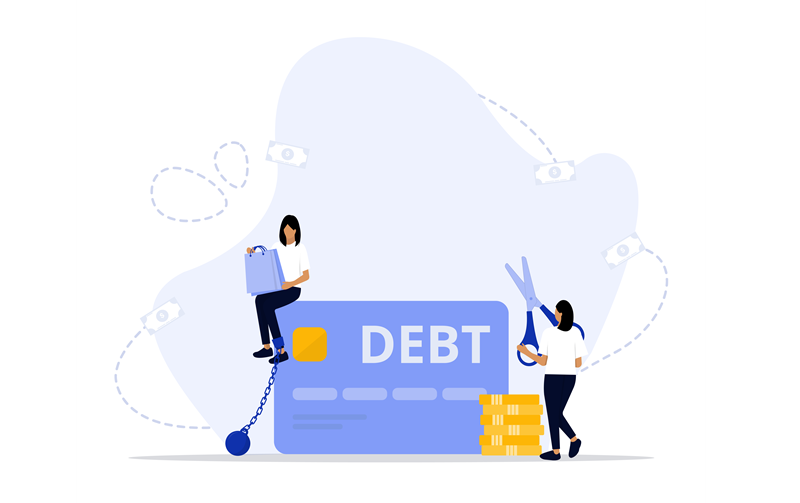
Generally, unsecured credit cards have higher interest rates than secured ones. In other words, if you hold a balance from one month to another, this will result in the accrual of interest charges at a fast rate, leading to significant debt accumulation over time. Moreover, the majority of unsecured credit cards demand annual fees, late payment penalties, and foreign transaction fees, thereby increasing your overall usage cost for the card. Thus, managing such costs well is important to avoid unnecessary financial stress.
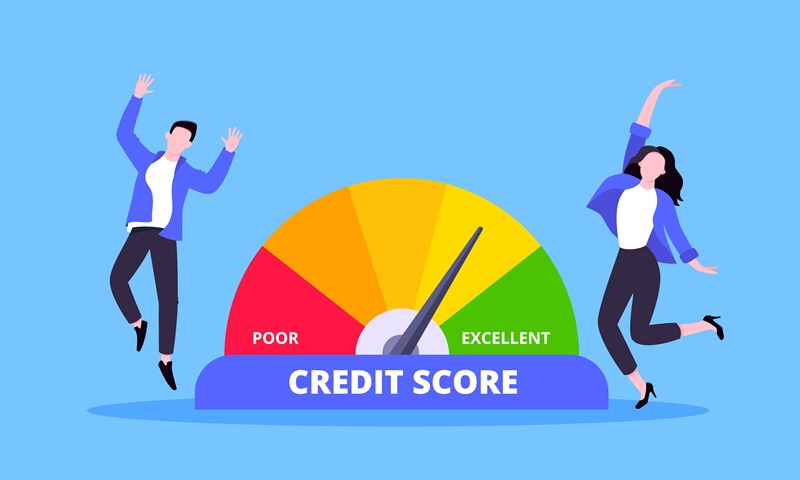
You can make your credit rating decrease by not paying debts on time or having high balances on your account. Delayed payments attract fines as well as high interest that are reported to major bureaus to lower your rating. Credit score can also be lowered by high utilization which entails using most of the available credit. Consequently, maintaining a low balance and prompt payment is necessary for safeguarding the reputation of borrowing capacities.
If you share your economic details with non-secure credit cards, you risk being defrauded or even subjected to identity theft due to hacking, phishing frauds, and stolen or misplaced credit cards. Thus, there are possibilities of hackers getting access to the person’s credit card information through attacks like data breaches, phishing scams and lost or stolen cards. One must monitor his/her account for any unpermitted transaction, and use strong and secure passwords when doing online shopping and reporting in case they are not sure.
Credits availability may lead to overspending. This might make you spend more than you can afford because it is so easy to withdraw cash. It is necessary to control spending for unsecured cards and budgeting.
Here’s a tabulated insight into the differences between secured vs unsecured credit cards –
| Feature | Secured Credit Card | Unsecured Credit Card |
|---|---|---|
| Main Goal | Helping you build or fix your credit score when other options are closed. | Giving you a secured credit card vs unsecured credit card choice that offers higher limits. |
| Security | You must provide a refundable deposit (often ₹200 to ₹2,500). | You provide no deposit at all. |
| Spending Power | Your limit usually matches the cash you deposited. | Your limit can go from ₹200 to ₹50,000 based on your history. |
| Cost Of Borrowing | Interest typically sits between 14% and 29%. | Rates vary from 0% intro offers to 36% for risky borrowers |
| Extras | You rarely find rewards or cashback here. | These cards often feature heavy rewards and custom perks. |
| Best For | People starting out or fixing past mistakes. | People with established history wanting better terms. |
The CIBIL score or FICO rating you need depends on the bank and the specific card. Usually, you need a good or excellent rating (around 670 or higher) for the top-tier rewards. You can still find an unsecured credit card if your credit is just okay. The catch is that the bank will charge you more interest. Check the requirements before you apply so you don’t hurt your record. Some lenders are quiet about their exact cut-off points.
What is an unsecured credit card if not a tool for different lifestyles? Different people use them to win in different ways.
1. The Organiser – If you track every penny you can use these cards to manage monthly costs. You can earn rewards and keep your cash flow tight.
2. The Traveller – People who live on planes love these cards. You turn your grocery bills into air miles or hotel stays. It makes your holidays much cheaper.
3. The Business Owner – You can use a card to handle company costs and separate them from your personal life. It helps with cash flow and lets you earn rewards on office gear.
You might find that an unsecured credit card is your best financial move in a few scenarios.
1. You Have A Strong History – High scores get you the best deals and higher limits. If your rating is above 670 you are in a great spot to apply.
2. You Move Around A Lot – Travel perks like lounge access or flight points are huge pluses. Just make sure the value of the perks outweighs any annual fee you pay.
3. You Want Money Back – If you spend a lot on petrol or food look for a card with high cashback in those areas. It is a simple way to discount your life.
4. You Clear Your Debt Monthly – If you pay your balance every month, you essentially get an interest-free loan. You get the rewards without the cost. It is the smartest way to use credit.
5. You Run A Company – Business cards often have much higher limits. This gives you more power to buy stock or equipment than a personal card would.
First, you must analyse your financial objectives and spending habits when you are choosing an unsecured credit card. You also need to review and compare a variety of options to find the best one that suits your goals. This guide will help you assess the best unsecured credit cards currently available in India.
Various unsecured credit cards have different features and advantages. Therefore, one should look for interesting reward programs on the cards, which may include cash back for everyday purchases, travel miles, or different points that could be redeemed for certain goods and services. Additionally, there are some cards with extra merits including free lounge access at airports, fuel surcharge waivers, and discounts on dining and shopping among others. All these benefits can add up to your total satisfaction from the use of a credit card.
Every credit card has its own set of fees, including annual fees, joining fees, and foreign transaction charges. Some premium cards may come with higher annual fees but, they often have more extensive benefits as well as reward programs, which make it worth evaluating whether the benefits along with reward programs outweigh the costs associated with owning the card or not. Also, think about an introductory offer of waived conditions for the yearly charge on some cards which enables you to save even more money on an already overpriced item.
Please consider the interest rates charged on purchases, cash advances, and balance transfers. If you have a running balance every month, higher interest will translate to more costs. Some cards might extend as much as zero percent APR for a while regarding debt payment. Be careful about late payment charges as well as other fees that can hurt your cost of borrowing generally.
Regarding credit card questions or concerns, nothing matters more than excellent customer service skills. Check out reviews as well as ratings of customer support services of the credit card issuer you are going for. In case you always need help with your account, go for cards that have reputable customer service providers who are quick to respond.
Ensure willing lenders meet all eligibility requirements of the cards being considered. These usually include a good credit score, a regular income stream plus some level of financial soundness. Income bracket or employment category may have implications on suitability for certain cards only amongst others, which could be dictated by their respective criteria. Due to these factors in place, when applying one should be aware so as not, they don’t apply for what is out of their reach thus select another card with better chances of success based on these specifications avail.
Compare different credit cards in India using online comparison tools and resources. Detailed comparisons of card features, fees, and rewards are offered by websites and financial apps, which enable you to choose a card that is right for you based on your needs and preferences.
Through careful review and comparison of these factors, you can identify an unsecured credit card that matches your financial objectives and improves your spending experience in India.
Not everyone qualifies for an unsecured credit card right away. If you are new to credit or have had issues, you should consider a secured option. Here, you pay a deposit that acts as your limit. It is a safety net for the bank. As you prove you can pay on time, you can improve your standing. You may consider a debt consolidation loan to manage your existing balances better.
There are many advantages associated with unsecured credit cards, but they entail risks that must be managed with the utmost caution. A proper understanding of their functionality, features as well as responsible debt management will facilitate the effective use of these cards.
An unsecured credit card is a line of credit that does not require collateral or a cash deposit. Lenders grant you this based on your financial history and income. You use the bank’s money up to a certain limit and promise to repay it. It is the most common type of credit card available.
The main difference between secured and unsecured credit card options is security deposit. Note that you need to pay money up front as a guarantee with a secured card. An unsecured card does not require any deposit. Unsecured cards also usually offer better rewards and higher spending limits than their secured counterparts for most users.
You can carry a balance on a credit card and pay interest on it. A charge card usually requires you to pay the full amount every single month. Are credit cards unsecured loans in this sense? Yes, they are because you borrow without assets. Charge cards often have no formal spending limit, unlike credit cards.
Yes, because a credit card is a secured or unsecured loan, the logic follows the collateral. Since you do not pledge your home or car to get the card, it is unsecured debt. If you fail to pay, the bank cannot automatically seize your property. They must take legal action to recover the funds from you.
It is difficult but not impossible. Most lenders want to see a history of paying bills on time. You might need to start with a student card or a basic entry-level option. If you have no history at all, a secured card is often the fastest way to build your reputation.
Yes they can. When someone adds you as an authorised user to their unsecured credit card the account history often appears on your report. This can help you boost your own rating. It only works if the primary cardholder pays their bills on time. Otherwise, it might actually hurt your score.
Yes it will. Every time you apply, the lender runs a hard check, which can slightly lower your points. However, using the card responsibly and paying on time will improve your standing. High balances compared to your limit can drop your score. It is all about how you handle the debt you have available.
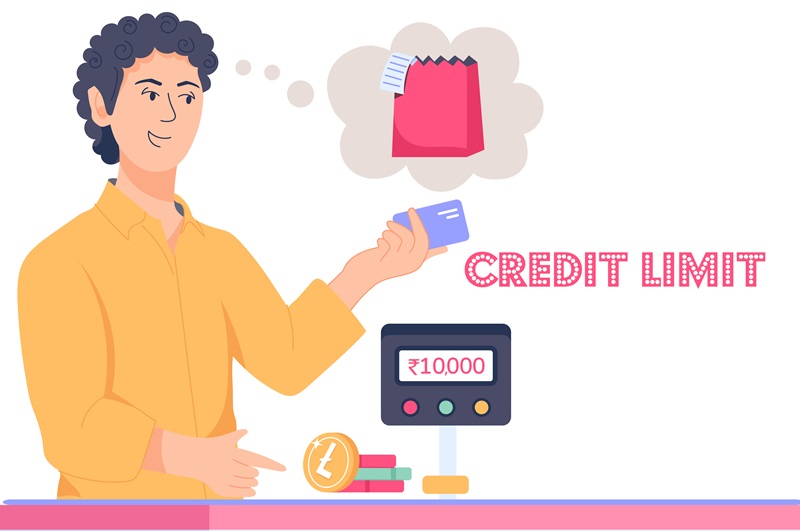
This is the maximum amount of money a bank allows you to spend on your card without any collateral. They decide this number based on your income and past credit behavior. It can range from a few hundred pounds to tens of thousands. You can sometimes request an increase after proving your reliability.
You can apply online through a bank’s website or via a mobile app. You will need to share your personal details and income information. The lender will review your history before making a decision. Some companies offer an instant personal loan approval process where you get an answer in just a few minutes.
Beginners should look for “builder” cards or cards with no annual fees. These often have lower limits but are easier to get. Look for cards that report to all major bureaus. This ensures your good habits are recorded. Once your history improves, you can swap to a card with much better rewards and rates.
Download our personal loan app to apply for a personal loan. Get up to 2Lakhs* as a personal loan. Download Now!


Sign into avail a personal loan up to ₹ 2,50,000

Unifinz Capital India Limited is a Non Banking Finance Company (NBFC) registered with the Reserve Bank of India (RBI). lendingplate is the brand name under which the company conducts its lending operations and specialises in meeting customer’s instant financial needs.






 RBI CMS
 RBI Sachet


