
Did You Know?
We serve loans, the best way you can borrow
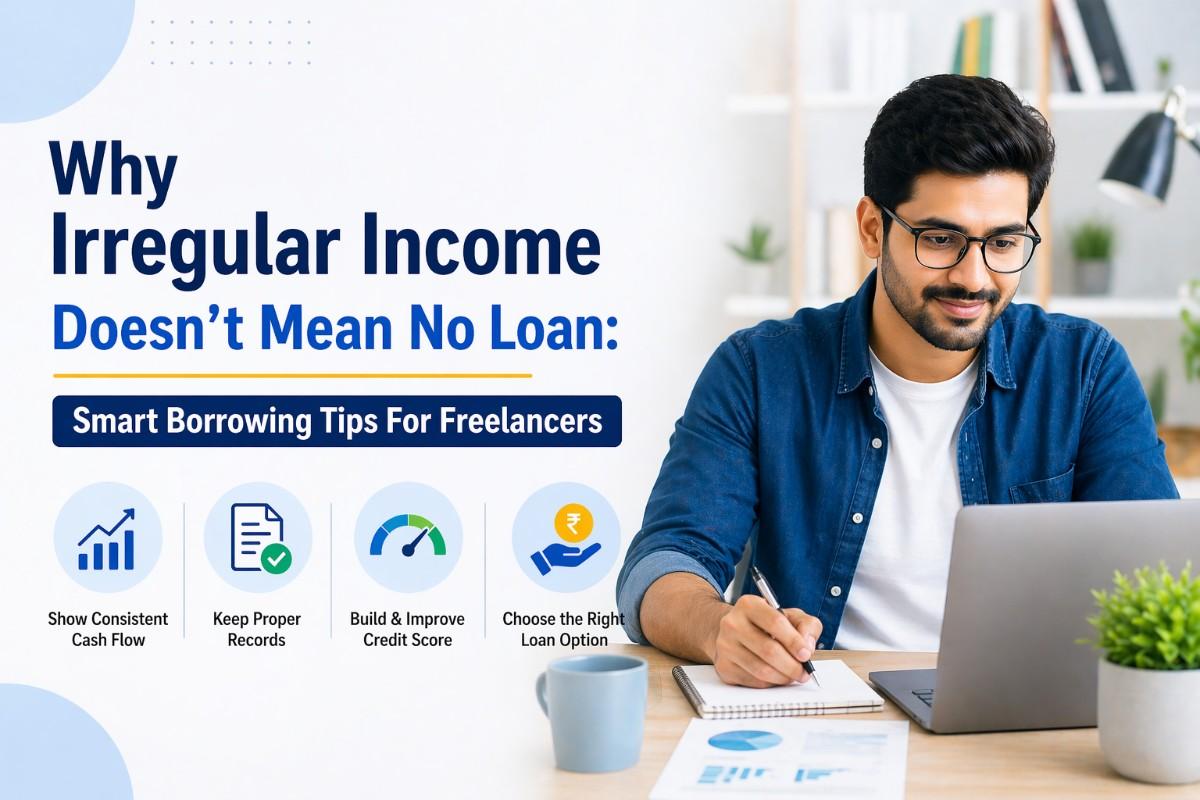

Choosing self-employment is a global trend for millions. People dive into trade, business or service sectors to find freedom. As companies hire more external partners, the freelance community keeps growing fast.
Joining this group gives you great flexibility. However, you leave the fixed payroll behind. This makes managing your money a top priority. When you handle cash flow well, you get both liberty and financial safety.
Before we discuss the best borrowing methods for you, let's look at why managing funds matters so much.
Can a freelancer get a loan? You might wonder if your specific work style counts as irregular. Usually, it means your pay fluctuates every single month.
Here’s what counts as irregular income -
1. Freelancers: You take on projects with varying timelines and different pay scales throughout the year.
2. Gig Workers: You rely on platform-based tasks where the volume of work changes daily based on demand.
3. Consultants: You provide expert advice for fixed fees but your contracts might end at any time.
4. Creators: You earn through sponsorships or ads which depend heavily on audience engagement and algorithm shifts.
However, there are reasons why lenders consider it risky. They prefer predictable patterns. Suppose you have an irregular income. Banks worry about your ability to pay EMIs during your "lean" months.
They cannot see a guaranteed deposit on a specific date. Thus, they perceive a higher chance of default.
They view your lack of a fixed safety net as a financial hazard. This directly impacts your personal loan eligibility criteria.
Finding a personal loan for freelancers comes with specific hurdles. You often deal with strict verification processes that salaried peers skip. Lenders want proof that you can handle debt without a monthly salary slip. Here are the challenges-
Most banks demand traditional pay stubs to verify your earnings. Since you work for yourself, you cannot provide these. This often leads to immediate rejection from traditional banking institutions.
Your bank statement might show a massive deposit one month and nearly nothing the next. This volatility scares conservative lenders. They struggle to calculate your average repayment capacity when the numbers keep jumping.
Many freelancers focus on debit transactions or cash. Without a credit card or a past loan, you lack a paper trail. Lenders find it hard to trust you without a proven record of debt management.
Because you fall into a "high-risk" category, some lenders might increase your personal loan interest rate. You often pay more for the same amount compared to a person with a 9-to-5 job.
You can still get the funds you need if you follow a strategic plan. It is all about proving your reliability (and being organised).
Your credit score is your digital reputation. It shows you pay bills on time. A high score helps a freelancer get a loan because it proves your character over your bank balance. Aim for a score above 750.
Lenders look for patterns. Provide bank statements for a full year to show your average earnings. If you can prove a steady annual total, the monthly dips matter less. Consistent client payments act as your "virtual salary."
Do not mix your grocery bills with your business expenses. Using a dedicated account makes your income tracking clear. It allows a lender to see exactly how much your "business" makes. This clarity builds massive trust.
Do not just apply anywhere. Look for app-based digital loans or short-term credit options. These platforms often use modern algorithms (not just salary slips) to decide if you can get a loan as a freelancer safely.
Always calculate your EMI based on your lowest-earning month. Never borrow based on a "bonus" month. This prevents you from falling into a debt trap when work slows down. Practicality is your best friend here.
You must be ready with a digital folder of proofs. Being organised speeds up the personal loan processing fee stage & approval. Here’s how to get a loan as a freelancer with the right documents-
1. The latest 6 to 12 months of bank statements
2. Income proofs like invoices or signed client contracts
3. Valid identity proofs like PAN and Aadhaar
4. GST registration certificates (if you are registered)
5. ITR filings for the last two financial years
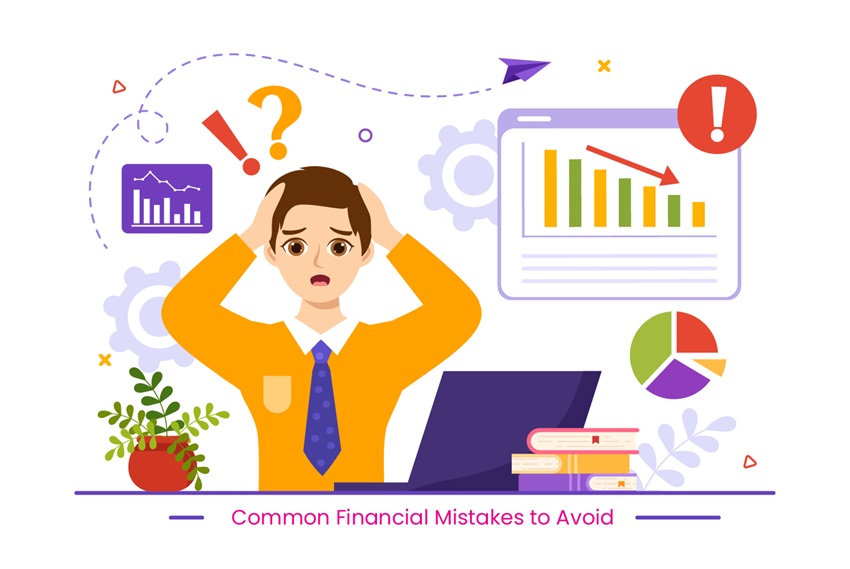
Here are some specific hurdles in your freelance journey that make smart budgeting essential:
1. Revenue Shifts - You do not have a fixed payday. Your earnings depend entirely on the projects you finish and the work you ship.
2. No Extra Benefits - You lose out on passive savings like a provident fund. You must pay for your own medical insurance and travel costs.
3. Client Changes - A client might leave without warning. You will likely face quiet periods where no new work comes through the door.
4. Tax and Growth - You are the accountant now. You must plan your own taxes and set aside money for long-term investments.
Managing your cash doesn't have to be a nightmare. Use these practical steps to stay ahead:
1. Act like a Business - Do not treat your work like a hobby. Keep a separate account and track every single expense related to your trade.
2. Budgeting and Records - Record every penny that comes in or goes out. Pay yourself a set salary from your business account to cover your life. Set an earning goal every month and push yourself to hit that target.
3. Create a Safety Net - Save money during your "boom" months. Build an emergency fund to cover your costs during the "bust" months. This keeps you calm when work is slow.
4. Track Your Taxes - Do not wait until March. Calculate what you owe every quarter. This prevents a huge tax bill from surprising you and ruining your monthly budget later on.
5. Invest for the Future - You need a retirement plan since nobody else is building one for you. Invest regularly to create a secondary income stream. This ensures you are safe even when you stop working.
Freelancing offers a wonderful lifestyle but requires a disciplined approach to debt. If you are wondering, can freelancers get personal loan options, the answer is a clear yes. You just need to document your income clearly and maintain a solid credit history. By following these smart borrowing tips and managing your daily cash flow, you can secure the financial support you need to grow.
Also Read: Impact of GST on Personal Loan
Yes, you can absolutely secure a loan. Lenders will look at your average annual income instead of a fixed monthly credit. You need to show your bank statements for the last year to prove you earn enough over time to cover your repayments comfortably. Digital lenders are often more flexible with this.
It can make the process more detailed, but it doesn't mean rejection. Lenders focus on your debt-to-income ratio. If your average earnings stay healthy and you have low existing debt, your chances remain high. Proving that you have a consistent client base helps mitigate the "risk" of your fluctuating monthly pay.
Personal loans from FinTech platforms or app-based lenders are usually the best fit. These entities often have flexible personal loan eligibility criteria that cater to the gig economy. You might also consider a line of credit, which allows you to withdraw only what you need during leaner months and pay interest accordingly.
Lenders typically verify your income through your Income Tax Returns (ITR) and bank statements. They look at the "credits" in your account to see the money coming from clients. Providing invoices or work contracts can also serve as supporting evidence (because it shows the source of your funds is legitimate and professional).
Both matter, but a high credit score is a massive advantage for you. It tells the lender that even if your income is unpredictable, your behaviour as a borrower is disciplined. A score of 750 or above can often help you get better terms and a lower personal loan interest rate.
The amount depends on your average net profit and existing liabilities. Usually, lenders offer a multiple of your monthly average income. If you show a steady upward trend in your freelance earnings over two years, you can often qualify for higher amounts (just like any salaried professional with a similar income level).
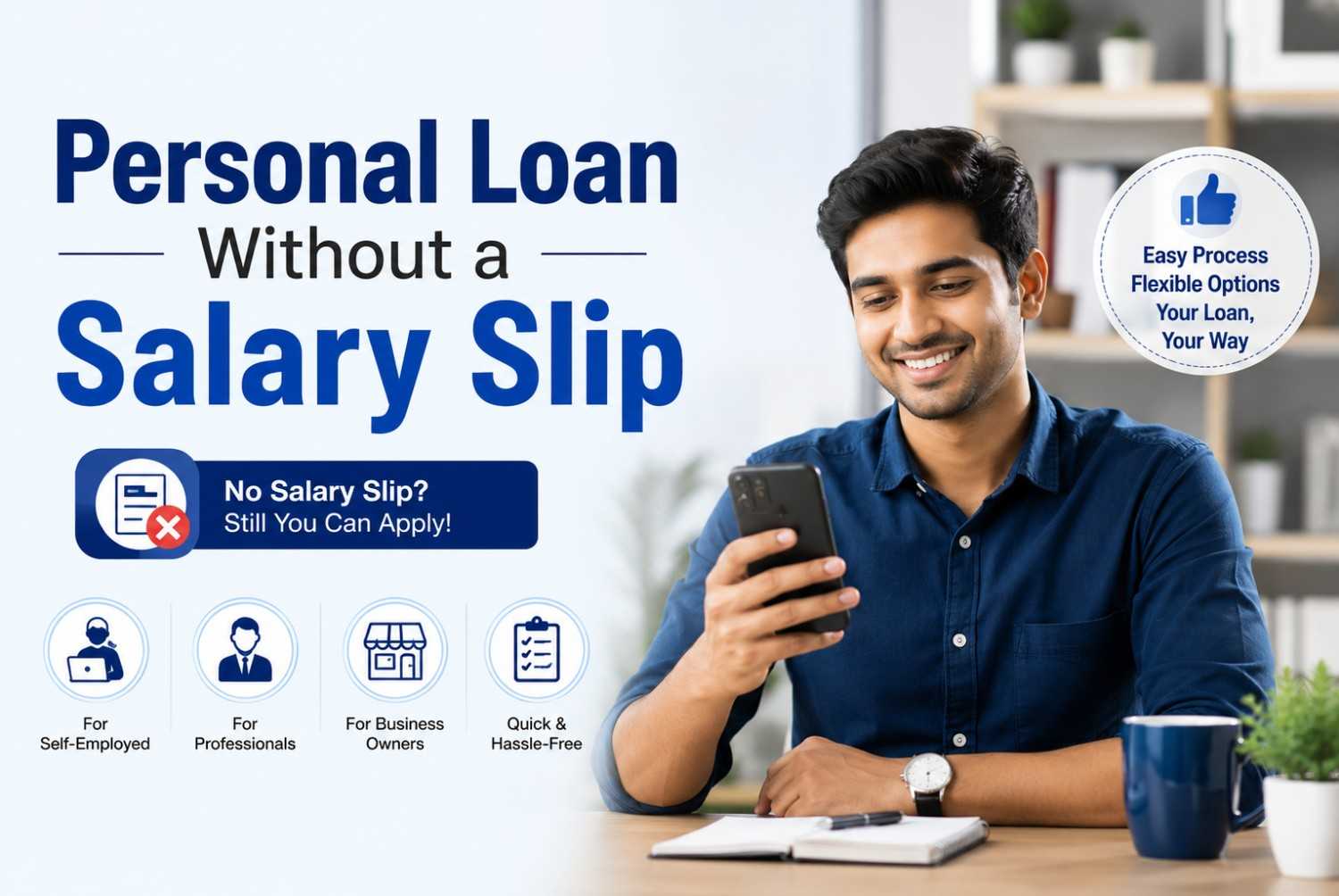
No, you do not need salary slips. You can use your Profit and Loss statements or certified bank summaries instead. Most modern lenders understand that the modern workforce is changing. They will accept your ITR filings as the primary document to verify how much money you are actually making each year.
Yes, you are eligible for these loans. Many platforms specifically design products for the self-employed. The key is to ensure your personal loan documents required are ready and accurate. Focus on showing a healthy balance in your bank account over a long period to prove you can handle the monthly EMI.
Sometimes they are slightly higher because of the perceived risk of income instability. However, if you have a great credit score and a solid history of earnings, you can negotiate. Many digital lenders offer competitive rates to freelancers who can demonstrate that their "irregular" income is actually quite substantial and reliable.
You will need your PAN card, Aadhaar, and at least six months of bank statements. Additionally, have your ITR for the last two years ready. Some lenders might also ask for your GST registration or business address proof. Keeping these personal loan documents required in a digital format makes the application process much faster.
Download our personal loan app to apply for a personal loan. Get up to 2Lakhs* as a personal loan. Download Now!


Sign into avail a personal loan up to ₹ 2,50,000

Unifinz Capital India Limited is a Non Banking Finance Company (NBFC) registered with the Reserve Bank of India (RBI). lendingplate is the brand name under which the company conducts its lending operations and specialises in meeting customer’s instant financial needs.









 RBI CMS
 RBI Sachet


