
Did You Know?
We serve loans, the best way you can borrow


When you plan for a big expense, you probably look at your monthly pay slip first. It makes sense because your income dictates your lifestyle and your borrowing power. Understanding the impact of salary on personal loan outcomes helps you navigate the borrowing process with confidence. Lenders use your earnings as a primary gauge to decide if they can trust you with their money.
Your salary acts as a financial cushion that ensures you can manage repayments without failing. Knowing how your income influences you, helps you get better deals.
An instant personal loan is a financial solution that helps employees. You can apply the funds to any urgent or planned cost like weddings, medical bills, home repairs or any emergency scenario.
Many people rely on this credit when they face sudden cash crunches. However, specific variables dictate the total funds you can access and the personal loan interest rate you receive. Your earnings and monthly budget ultimately shape your eligibility and the total cost of the debt. These are unsecured debts. Thus, lenders rely heavily on your professional profile to mitigate their risk before transferring the funds to your account.
A robust income provides more flexibility regarding your repayment duration. This allows you to secure larger sums. A high credit rating also helps you grab an instant personal loan with a more affordable personal loan interest rate. Lenders examine these five specific areas of your profile before they approve your digital application.
Your rating is vital for approval. It shows how you managed previous debts and if you paid on time. Your history defines this score. Generally, your approval chances rise as your score climbs.
Your current and past roles demonstrate income consistency. Steady employment suggests a reliable cash flow. Lenders check your employer’s reputation to ensure your workplace is stable. A solid profile often leads to the lowest rates.
This factor determines your career longevity and financial maturity. You must meet specific age brackets to qualify. Usually, lenders require you to finish the repayment by the time you reach sixty-five.
Your earnings are the backbone of your profile. Your ability to repay depends on this figure. You should mention extra income like rent or a partner’s salary to show you can handle the debt easily.
You need to show a clear path to clearing the debt to get better terms. Shorter tenures are often preferred. Ensure your EMI fits your monthly budget by calculating the costs beforehand to find the perfect balance.
The impact of salary on personal loan is massive because it proves your capacity to handle debt. Lenders want to see that you earn enough to live comfortably while paying them back. Your income level sets the ceiling for your borrowing limit and dictates the risk level for the bank.
Your take-home pay directly determines the maximum sum you can borrow. Lenders usually cap the loan amount at a multiple of your monthly earnings. A higher salary suggests you can manage larger EMIs (which reduces the rejection risks) and often leads to much faster approvals.
Lenders would prefer applicants who are associated with reputable companies. Or you may have years of experience. You look risky at the lender’s eyes if you change jobs too often. Remember that stable employment proves that your salary will keep coming. This stability often helps you negotiate a lower personal loan processing fee during the application process.
This ratio compares your monthly debt to your total earnings. Even with a high salary, if you already pay many EMIs, your eligibility drops. Lenders want this ratio below 40%. A clean ratio highlights the positive impact of salary on personal loan (allowing for better interest offers).
High earnings alone do not guarantee the best terms, but they certainly open more doors. You create a profile that lenders find hard to refuse by balancing your income against your existing debts.
You can still get great terms even if your salary is not at the top tier. The impact of salary on personal loan can be balanced by showing financial discipline. Focusing on other parts of your profile makes you a less risky borrower in the eyes of the lender.
1. Boost Your Credit Score – Pay every bill on time and keep your credit card usage low. A score above 750 often overrides salary concerns.
2. Reduce Existing Liabilities – Close small, pending debts or credit card balances before applying. This frees up your income for a new EMI.
3. Add a Co Applicant – If your income is low, apply with a spouse or parent who has a steady salary. Their income adds to yours.
4. Check the Requirements – Ensure you have all the personal loan documents required ready and accurate. Errors in paperwork can lead to higher rates or rejection.
5. Negotiate Depending on Loyalty – If you have a long relationship with a bank, use it to ask for a waiver on the personal loan processing fee.
The impact of salary on personal loan is undeniable (as it includes your borrowing limit and the interest you pay). A higher income simplifies the process. However, your credit score and employment stability play equally vital roles. Managing your debts helps secure funds accordingly. You also need to maintain a decent financial record to get competitive rates. Always evaluate your repayment capacity before signing the agreement. This ensures the loan remains a helpful resource rather than a financial burden on your monthly budget.
Lenders use your salary to calculate the “Multiplier Method” or “FOIR.” Essentially, they look at your net monthly income and subtract your current expenses. The remaining amount tells them how much EMI you can afford. A higher salary naturally increases this limit, showing the significant impact of salary on personal loan.
Requirements vary across lenders. However, most financial institutions in India look for a minimum monthly net income starting from ₹15000-₹20000. Meeting the personal loan eligibility criteria ensures you have enough disposable income to cover repayments. Earning less than that might need a co-signer.
Not necessarily, though it helps. While a high income increases your capacity, lenders also look at your existing debts and credit score. If you earn well but spend most of it on other EMIs, your available limit might stay low. The impact of salary on a personal loan is always relative to your fixed monthly costs.
Usually, you can qualify for an amount that is 10 to 20 times your monthly take-home pay. You might get a loan between ₹5-₹10 Lakh if you earn ₹50000. Lenders adjust this depending on your employer’s category as well as your history. Your income level is the primary benchmark for these specific calculations.
Most lenders prefer that your total debt obligations, including the new loan, stay under 40% to 50% of your net monthly income. This is the Fixed Obligation to Income Ratio (FOIR). Keeping it low shows you are not over-leveraged. It reduces the negative rejection rates during the credit check.
A high salary often signals lower risk to the lender. If you earn a significant amount, you are seen as more likely to repay on time. Consequently, the lender might offer you a lower personal loan interest rate. Conversely, lower earners might face higher rates to compensate the lender for the perceived increase in default risk.
If your income has grown significantly since your last application, you have more bargaining power. You can show your new pay slips to negotiate better terms or even consider a balance transfer. A higher salary improves your profile, making the negotiations much more favourable for your wallet in the long run.
Lenders primarily focus on your net salary, which is the amount that actually hits your bank account after taxes and deductions. They want to know the “real” money you have available to pay the EMI. While your gross salary looks good on paper, your net income is what truly determines your actual borrowing power and limit.
Your salary is the denominator in the DTI equation. Your DTI ratio naturally drops as your income rises (provided your debts stay the same). A lower DTI ratio makes you look financially healthy. That is why the impact of salary on personal loans is positive for those who get regular raises or bonuses.
Yes. A high credit score proves you are disciplined. This can sometimes outweigh a modest income. However, your loan amount might be smaller to ensure you can afford the repayments. Note that the lender may offer a competitive personal loan interest rate when your repayment history shows you are reliable.
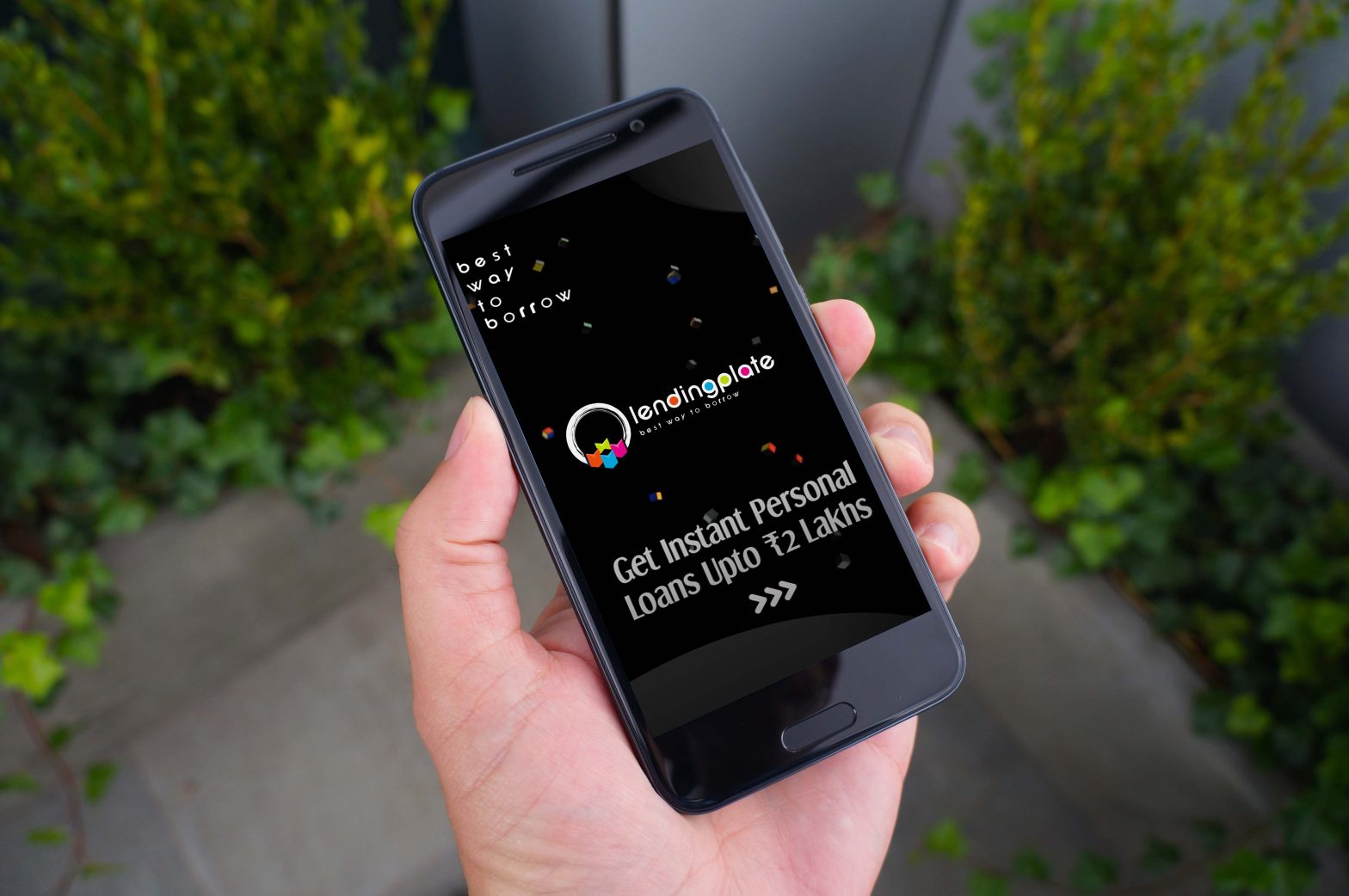
Download our personal loan app to apply for a personal loan. Get up to 2Lakhs* as a personal loan. Download Now!


Sign into avail a personal loan up to ₹ 2,50,000

Unifinz Capital India Limited is a Non Banking Finance Company (NBFC) registered with the Reserve Bank of India (RBI). lendingplate is the brand name under which the company conducts its lending operations and specialises in meeting customer’s instant financial needs.















 RBI CMS
 RBI Sachet


