
Did You Know?
We serve loans, the best way you can borrow
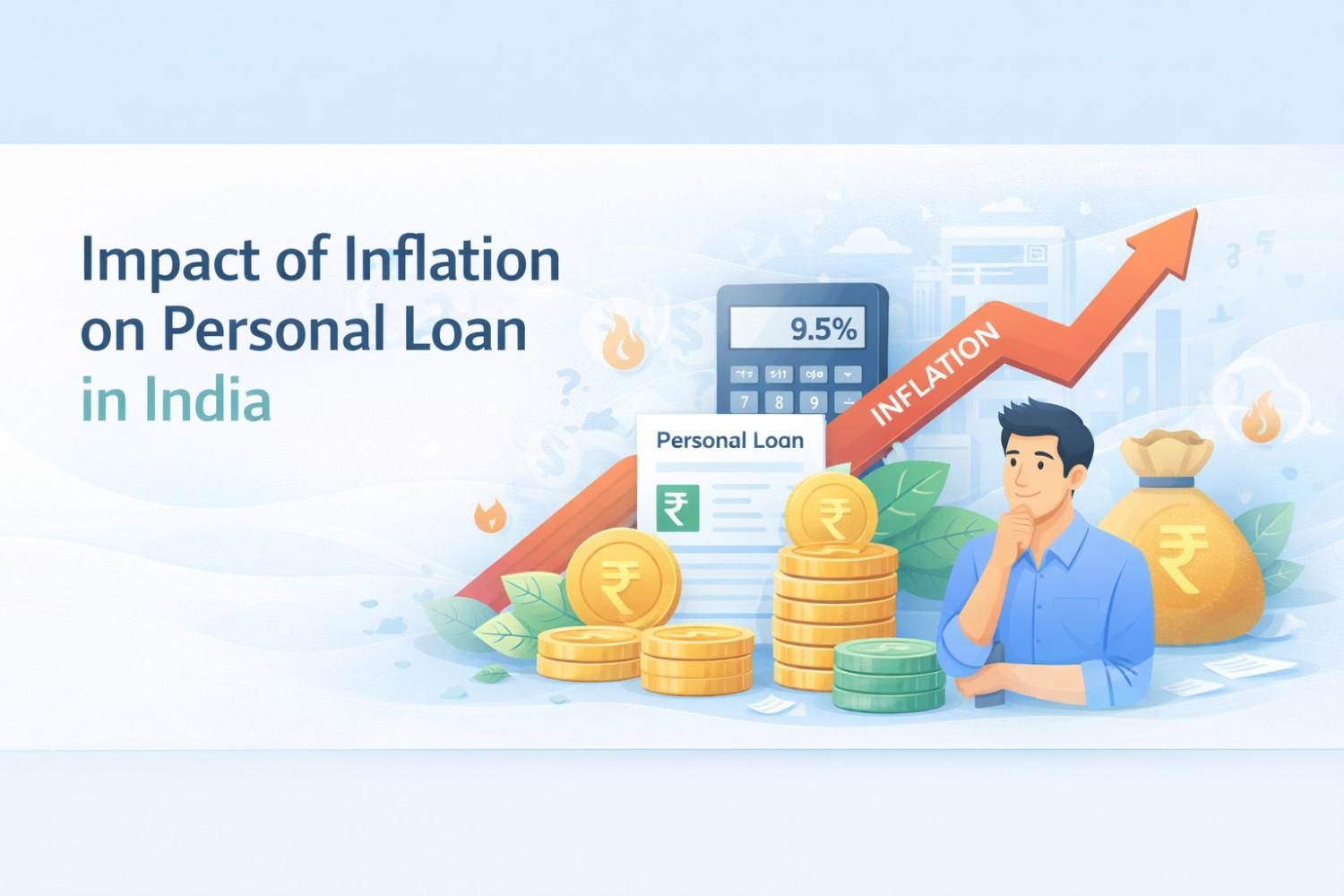

Inflation represents the steady climb in the costs of products and utility services. When these prices surge, you simply cannot purchase the same volume of items with the same budget you had yesterday. Here is a quick look at how inflation functions –
1. It marks the rising cost of living (which inevitably leads to your money losing its strength).
2. The inflation rate shows you the specific speed at which these costs are climbing over a set window.
3. Authorities determine these figures by tracking the price shifts of a specific “basket” of common goods.
4. The opposite of this trend is deflation (where prices actually drop because people aren’t spending enough).
5. Sustained deflation is dangerous for the country as it can trigger massive job losses and economic stalls.
Here is the breakdown of the impact of inflation on personal loan and your broader finances if you are wondering how your wallet feels the squeeze –
Lowered Buying Power
1. The clearest sign of rising prices is that your money doesn’t go as far at the checkout counter.
2. As inflation climbs, you get fewer goods for the same amount of Rupees.
3. Your daily expenses jump (which makes it quite a struggle to keep up your current way of life).
Reduced Savings
1. High inflation rates slowly chip away at the value of your bank balance (if you aren’t growing it).
2. Most standard savings accounts offer interest that fails to beat the current rate of inflation.
3. You must look at strategic investments to protect your wealth (this targets a return that sits higher than the inflation mark).
Pricier Credit
1. The cost of taking credit shifts because of the impact of inflation on personal loan dynamics.
2. The Central Bank usually hikes interest rates to cool down the money supply when prices soar.
3. Your monthly outgoings will jump significantly if you have a loan with a variable rate.
Retirement Hurdles
1. Inflation can quietly destroy the real-world utility of your retirement fund if you don’t plan for it.
2. Storing cash without considering price hikes means you might end up with a nest egg that can’t cover basic bills.
Investment Volatility
1. Your stocks and bonds will likely behave differently when inflationary pressures mount.
2. These assets often serve as a better shield against rising costs than simple cash.
3. You should check your portfolio regularly to ensure your gains are staying ahead of the price curve.
4. Don’t be afraid to tweak your strategy to match the current economy and your personal targets.
You can use these specific methods to balance the impact of inflation on personal loan costs & your general wealth –
1. Buy Inflation-Linked Assets – Look for financial tools that provide a growth rate higher than the annual inflation percentage.
2. Spread Your Risk – You can lessen the blow of rising prices by putting your money into various buckets like equities, funds, and bonds.
3. Hold Hard Assets – Items like gold or oil are usually excellent hedges when the economy feels shaky and prices are climbing.
4. Clear Your Debts – Try to pay off what you owe quickly (as the weight of your credit can get much heavier when rates go up).
Handling your debt when the cost of living is jumping requires a very steady hand and a clear plan. You need to be proactive (rather than just reacting when the bill arrives) to keep the impact of inflation on personal loan repayments manageable.
1. Fixed-Rate Loans – Pick a fixed-rate instant personal loan to ensure your interest stays locked in. Even if these start a bit higher than variable options, they shield you from the wild swings caused by a fluctuating economy.
2. Money Mapping – Focus on your finances to get through these tough times. That means ensuring safety & adjusting your monthly budget to handle the rising costs of essentials like milk, fuel or rent.
3. Check Your Terms – Scan your loan papers often to stay updated on any tweaks to your interest or fine print. This habit lets you pivot your strategy or look for better refinancing deals if things get too expensive.
4. Growth Strategy – Look for ways to grow your money faster than the rate of inflation. Spreading your bets across different investments offers a solid cushion against the shrinking value of the currency.
Managing your debt actually gets easier if price hikes happen at the same time you get a pay rise. Your monthly EMI stays the same. However, you have more breathing room because your salary is higher. You may keep paying your dues on time & protect your credit history even with the impact of inflation on personal loan rates for others.
A major impact of inflation on personal loans is that lenders often push up their rates, making monthly payments much steeper. This is mostly felt on long-term credit. However, getting a quick personal loan interest rate deal or a credit card might be more affordable right now than committing to a very long-term debt.
It becomes beneficial if your wages grow alongside inflation while you already have a debt. You still owe the exact same money. However, you have more in your paycheck. This actually results in the lender receiving less value in real terms (especially if you use your extra cash to settle the debt early).
The money they get today is paid back with the money they earn in the future when a company takes a loan. A core rule is that inflation makes currency lose value over time. Basically, the money today is worth more next year. So, inflation lets you pay back the bank with money that isn’t as “valuable” as it was when you first took it.
The impact of inflation on a personal loan’s EMI is quite heavy because it forces interest rates up, which hits your EMIs directly. A higher rate means a bigger monthly bill, which can really mess with your spending plans.
You might try to keep your EMI the same by stretching out the loan period. This gives you a bit of breathing space now, but it means you pay a lot more interest over the long run.
Here’s an example-
You have a 5 Lakh loan at 12% for 5 years. Your tenure jumps from 60 months to 64 months if the rate hits 14% and you keep your payment at ₹11,122. You end up paying for four additional months just in interest.
The impact of inflation on personal loan settlements happens in three main ways –
1. Pricier New Credit – The RBI often raises rates to cool down inflation. This means banks hike their own rates, making it more expensive for you to start a new loan.
2. Higher Floating EMIs – Inflation will swell your monthly outgoings if you have a variable rate. Your interest will climb alongside the market, leading to a much higher monthly bill.
3. Budget Squeeze – General price hikes on food and fuel make it harder to manage your monthly math. You might find it tough to set aside enough money for your loan while covering your basic needs.
Inflation creates several headaches for the people lending the money. This often leads to the government tweaking things like the personal loan eligibility criteria and broader money controls.
1. RBI Intervention – The central bank raises the repo rate to stop inflation from spiralling.
2. Lower Liquidity – As a result, banks find they have less cash moving through their systems.
3. Bank Costs – A higher repo rate means banks have to pay more to get money from the central bank.
4. Retail Rate Hikes – To keep their business running, these banks then raise the rates they charge you.
5. New Borrower Stress – This makes life hard for new applicants who have to deal with higher interest over the years.
6. Existing Borrower Edge – On the flip side, you keep your low-cost agreement while the bank’s own costs go up if you already have a fixed-rate deal.
Now you know the impact of inflation on personal loans. You need a smart plan. Keeping an eye on your expenditure & staying on top of your debt helps you dodge the worst of inflation. This way, you can keep your finances healthy. Ensure you check the personal loan documents required before applying during these times.
Inflation usually forces the central bank to raise benchmark rates to cool the economy. Consequently, lenders increase their personal loan interest rates to protect their margins. This means when you apply during high inflation, you will likely face a higher cost of credit than you would have during a period of stable prices.
The impact of inflation on personal loan costs is twofold. First, it pushes interest rates higher, increasing your monthly outgoings. Second, it reduces your purchasing power, meaning the money you spend on interest feels more “expensive” relative to your daily budget. Ultimately, you pay back more in real value if rates stay high.
Lenders look at the repo rate, inflation trends, and your specific personal loan eligibility criteria during economic shifts. If inflation is high, banks might tighten their rules to avoid risky lending. They also consider the personal loan processing fees and your debt-to-income ratio, which might look worse as your living costs climb.
You should consider fixed interest rates to avoid future rate hikes. Additionally, focus on paying down high-interest debt early to reduce the total interest burden. Regularly reviewing your budget ensures you can cover EMIs even as grocery bills rise. Refinancing your loan when market rates eventually drop is another smart move.
You need a stable income with a good credit score to meet the personal loan eligibility criteria. You also need proof of residence. Lenders will also check your age as well as employment history. Having a higher salary-to-debt ratio helps you secure better terms because it shows you can handle the rising living costs during inflationary periods.
Inflation stems from an increase in the money supply or a rise in the costs of production. It matters because it changes the “real” value of your debt. It can be effective for a borrower. It effectively shrinks the value of the money you owe while making new loans pricier.
Download our personal loan app to apply for a personal loan. Get up to 2Lakhs* as a personal loan. Download Now!


Sign into avail a personal loan up to ₹ 2,50,000

Unifinz Capital India Limited is a Non Banking Finance Company (NBFC) registered with the Reserve Bank of India (RBI). lendingplate is the brand name under which the company conducts its lending operations and specialises in meeting customer’s instant financial needs.











 RBI CMS
 RBI Sachet


