
Did You Know?
We serve loans, the best way you can borrow
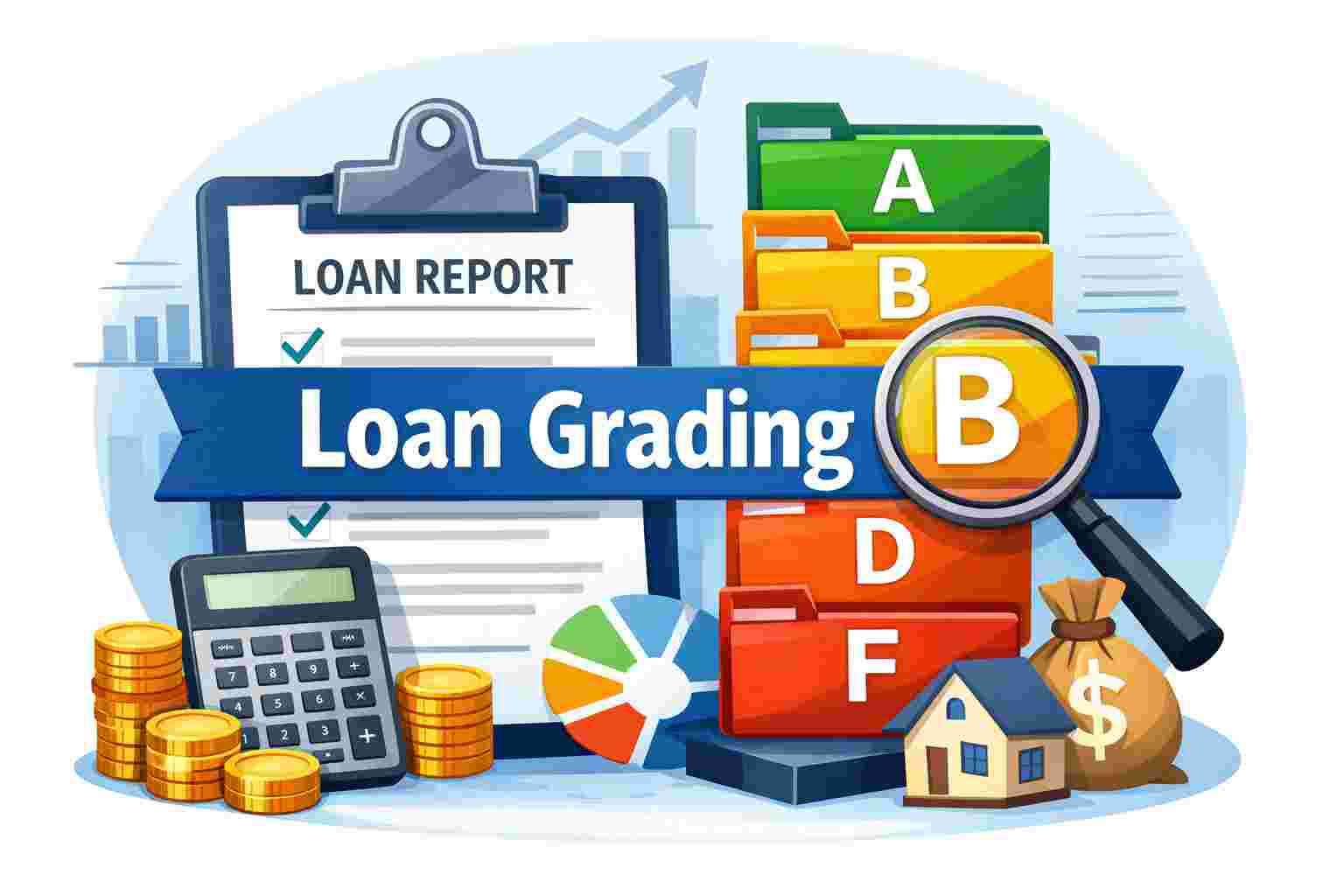

Loan grading refers to the structured assessment lenders use to classify instant loan applications by repayment reliability and default risk. To explain what is loan grading, lenders review credit scores, income consistency, existing obligations, and past repayment behaviour drawn from recognised credit bureaus. The assigned grade signals loan quality, guiding interest pricing, and approval speed across lending platforms offering short-term personal credit. This approach supports prudent risk control for lenders.
The process of loan grading is as follows.
1. Data Collection – Lenders begin by gathering verified applicant records, covering identity proofs, employment details, bank statements, credit reports, and consent digital footprints. These support quick screening for an instant personal loan without assumptions.
2. Credit Analysis – The collected information is evaluated through various tools. These tools review repayment behaviour, open liabilities, income regularity, and bureau history. It helps in translating raw records into indicators. Credit analysis clarifies eligibility standards and explains what is loan grading in practice.
3. Risk Assessment – Predictive assessment reviews the probability through historical patterns, exposure size, and behavioural signals drawn from prior repayments. It enables lenders to estimate repayment reliability and potential loss with accuracy across short-term lending.
4. Loan Grading Model – Risk inputs flow into internal grading frameworks that map loans into quality bands from superior to weak categories. It allows consistent classification across portfolios and supports fair treatment for applicants with similar profiles.
5. Loan Pricing – Assigned grades guide rate setting, tenure limits, and repayment schedules, aligning price with assessed risk. In this manner, you receive terms that reflect capacity and behaviour rather than pricing rules.
The factors affecting loan grading are as follows.
1. Credit Score – Credit score remains the starting point for loan assessment and sets the tone for risk evaluation across instant lending platforms. Scores sourced from recognised credit bureaus reflect repayment behaviour, credit usage patterns, and recent delinquencies, helping lenders define what is loan grading in practical lending decisions without relying on assumptions.
2. Income and Employment Stability – Beyond credit records, lenders examine income regularity and job continuity to judge repayment comfort over the loan tenure. Verified salary credits as well as predictable cash inflows help lenders analyse consistent instalments across short-term as well as medium-term borrowing needs.
3. Debt-to-Income Ratio – The debt-to-income ratio helps lenders connect existing obligations with your monthly earnings. A balanced ratio signals room for additional borrowing while supporting sensible exposure limits.
4. Repayment History – Past repayment behaviour carries significant weight as it shows discipline over time. Timely payments, clean closures, and limited restructuring often result in a favourable personal loan interest rate during final pricing.
5. Collateral – For secured credit, collateral as well as the ease of recovery influence expectations related to loss. Strong assets reduce perceived risk and support improved loan grades across asset-backed lending programmes.
Here is what you should know about the significance of loan grading.
1. Risk Management – This aspect explains what is loan grading in practical lending decisions. It sets the tone for responsible credit evaluation. Loan grading brings structure to risk management by grouping borrowers based on repayment capacity and credit score. This allows lenders to balance portfolios carefully.
2. Fair Pricing and Loan Terms – After setting the risk foundation, pricing decisions naturally follow with greater clarity. Loan grading links borrower quality with interest rates and tenure. It keeps pricing transparent. Applicants with steady income records and clean repayment history receive balanced terms.
3. Faster and Consistent Approvals – Once pricing logic is clear, approval workflows become easier to manage across digital platforms. Loan grading shortens decision cycles by standardising document checks, income validation, and personal loan documents review. This consistency reduces manual discretion.
4. Greater Borrower Awareness – Beyond operational benefits, loan grading shapes borrower behaviour over time. Clear grading outcomes help applicants recognise how credit history as well as repayment habits influence eligibility. This awareness builds financial discipline gradually.
Loan grading faces practical hurdles that influence approval accuracy, pricing logic, and borrower trust across instant lending channels. Here is what you should know about the challenges.
1. Data Accuracy – Data quality remains a frequent issue, as instant loan decisions depend on self-reported details. When inputs mismatch or arrive late, grading outcomes shift unfairly. It affects interest rates for borrowers.
2. Evolving Credit Profiles – Borrower profiles change faster than loan grading models expect. This change is shaped by variable income cycles, short-term employment, and sudden expenses. A single missed update can distort CIBIL score interpretation, leading to grades that no longer reflect repayment capacity.
3. Technological Integration – Grading systems rely on layered technology stacks that demand capital, skilled teams, and constant alignment with lending rules. Smaller lenders feel pressure here as uneven integration slows decisions.
Together, these challenges shape how responsibly instant loans are marketed to borrowers. The loan grading quality depends on timely data, responsive models, and workable systems.
Lenders assess income stability, repayment history, and verified documents to form borrower profiles during evaluations. They judge reliability across short-term unsecured lending decisions for applicants. This process reflects what is loan grading in practice, linking borrower conduct with structured internal risk categories.
Loan grades guide pricing bands as higher assessed risk attracts increased interest charges across instant personal loans offered digitally. Lower risk grades signal steady repayment behaviour. It supports moderated rates and longer tenures for borrowers.
Loan grading can change as borrower income, spending patterns, and repayment behaviour shift over months. Lenders refresh data feeds and scoring inputs to make sure revised profiles influence future loan decisions across cycles. This flexibility explains what is loan grading operationally.
Loan grading affects eligibility since higher grades align with approval thresholds applied across automated instant lending systems used by lenders. Applicants with weaker grades face tighter limits, shorter tenures or rejections during digital credit assessments. Clear grading logic helps borrowers plan improvements over time.
Download our personal loan app to apply for a personal loan. Get up to 2Lakhs* as a personal loan. Download Now!


Sign into avail a personal loan up to ₹ 2,50,000

Unifinz Capital India Limited is a Non Banking Finance Company (NBFC) registered with the Reserve Bank of India (RBI). lendingplate is the brand name under which the company conducts its lending operations and specialises in meeting customer’s instant financial needs.













 RBI CMS
 RBI Sachet


