
Did You Know?
We serve loans, the best way you can borrow
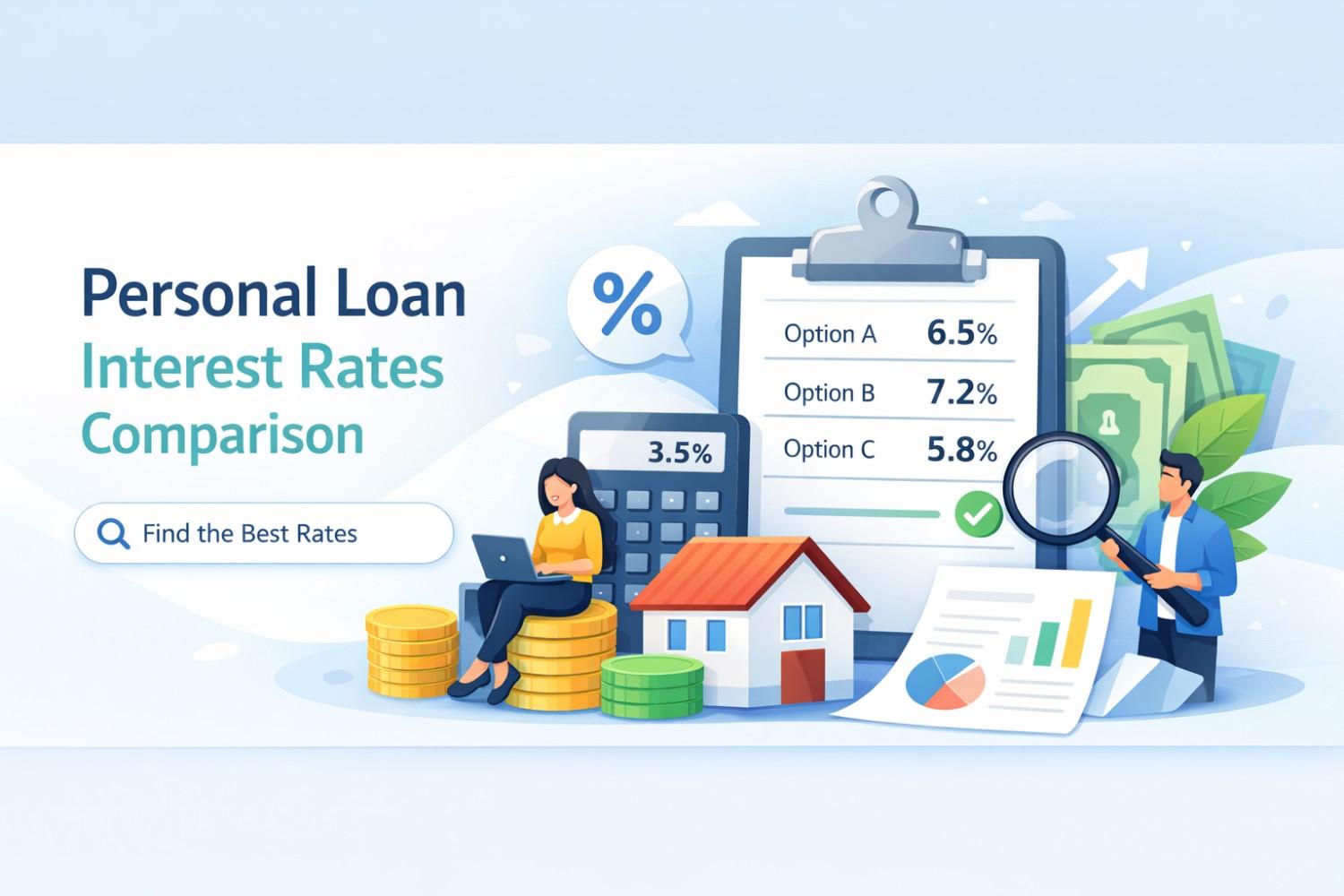

Personal loan interest rates comparison becomes valuable when finding the right financial solutions often feels like a challenge when funding for a wedding or other purposes (like medical emergency or home renovation). Since these loans are unsecured, lenders review your profile before setting your rate.
A small percentage difference might seem minor now, but it adds up to thousands over the years. We understand that navigating through multiple bank offers is exhausting (and frankly, quite boring).
This post simplifies the process for you. Here, you will know exactly how to compare personal loan interest rates and secure a deal that keeps your monthly budget intact and stress-free.
The personal loan interest rates comparison starts with understanding that this rate is essentially the “rent” you pay for using the lender’s money. It is a percentage of your total borrowed amount that you pay back, along with the principal. Lenders offer these at fixed or floating rates, which determine whether your EMI stays the same or changes with market shifts.
Your specific rate dictates the monthly EMI and the total cost of your debt. Your credit score, along with your monthly earnings, plays a role in the final number you get. Lower rates mean you keep more of your hard-earned money. It is imperative to compare personal loan interest comparison options to find the most affordable path forward.
A personal loan interest rates comparison chart helps you see the market at a glance without jumping between twenty different tabs. It speeds up the comparison of personal loan interest rates across various Indian financial institutions. Use this table to compare personal loan interest rates and identify which lenders fit your current financial health and repayment capacity.
| Bank/NBFC | Interest Rates (p.a.) |
|---|---|
| Kotak Mahindra Bank | 10.99% – 16.99% |
| HDFC Bank | 10.90% – 24.00% |
| Federal Bank | 12.00% – 22.50% |
| ICICI Bank | 10.85% – 16.65% |
| Axis Bank | 11.25% onwards |
| IndusInd Bank | 10.49% onwards |
| IDFC FIRST Bank | 10.99% onwards |
| Aditya Birla Finance | 10.99% onwards |
| DBS Bank | 10.99% – 30.00% |
| Poonawalla Fincorp | 18.00% – 36.00% |
| Tata Capital | 11.99% – 29.99% |
| YES Bank | 11.25% – 21.00% |
| L&T Finance | 11.00% onwards |
| Piramal Finance | 12.90% onwards |
| HDB Financial Services | 10.00% – 35.00% |
| Hero Fincorp | 19.75% – 37.75% |
| SMFG India Credit | 13.00% onwards |
| Moneyview | 14.00% – 36.00% |
| PaySense | 1.4% – 2.3% per month |
| InCred Financial Services | 13.99% onwards |
Lenders don’t just pick numbers out of a hat. They use unique risk assessment models to decide what to charge you. While performing a personal loan interest rates comparison, you will notice banks often have stricter rules but lower rates.
They prefer salaried individuals with stable government or corporate jobs because the risk of default is tiny. NBFCs Loans are often more flexible (which is great if your paperwork isn’t perfect).
They help people with lower credit scores or irregular income. However, they charge a bit more to cover that extra risk. Their internal costs and profit margins also vary. This is why you must perform a personal loan interest rates comparison to see who views your specific profile most favourably.
Your final personal loan interest rates comparison results depend on several personal markers that lenders use to judge your reliability.
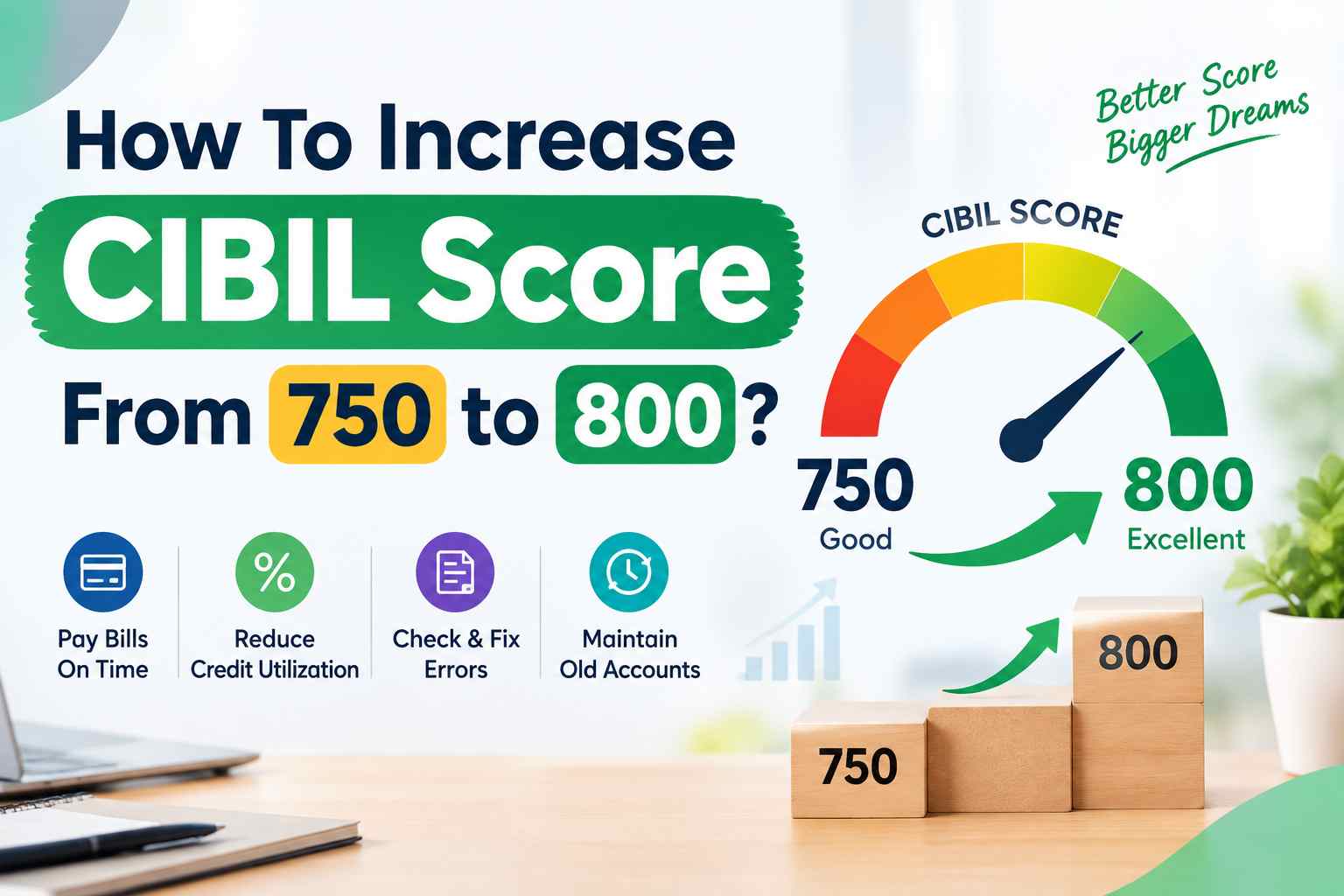
1. Credit Score – This is your financial report card. Scores above 750 suggest you are disciplined. Lenders reward this discipline with lower personal loan interest rates.
2. Income – Your paycheck matters. High earners often get better deals because they represent a lower risk of missing payments.
3. Where You Work – Salaried employees usually get better rates than self-employed individuals. If you work for a PSU or a top-tier firm, your personal loan eligibility criteria might even include special discounts.
4. Whether You Have other Debts – If you already have a savings account or credit card with a bank, they might offer you an instant personal loan at a loyalty rate.
5. History of Employment – Job hopping is a red flag. Lenders prefer seeing you in the same job for a while, as it proves stability.
Comparing personal loan interest rates proves that even a 1% drop saves you a lot of cash. You can take active steps to avoid overpaying.
1. Maintain Your Credit Score – Pay your bills on time and keep the credit balance low. Check your credit report for errors. Correcting a small mistake can quickly boost your score.
2. Leverage Existing Bonds – Talk to your current bank first. They already know your history. They might skip some personal loan documents required or offer better terms to keep your business.
3. Avoid Mass Applications – Do not apply to five lenders at once. Each one does a hard credit check. This makes you look desperate and lowers your credit score.
4. Use Online Tools – Use digital platforms to compare personal loan rates. It is fast and usually does not hurt your credit score.
5. Check the Fees – Look at the personal loan processing fees too. A low rate with high fees can actually be more expensive.
6. Watch for Offers – Festive seasons often bring lower rates. You might snag a limited-time deal if you can wait a month.
Selecting the right lender requires proper understanding. A thorough personal loan interest rates comparison helps you identify hidden costs and better terms. Your credit habits and income stability are your best bargaining chips when talking to banks.
Always keep your documents ready and maintain a high credit score to stay in the driver’s seat. If you balance the interest rate with the processing fees and tenure, you will find a debt solution that feels like a help rather than a burden.
A good rate usually sits between 10% and 12% in the current market. If you have a credit score above 750 and work for a reputable company, you should aim for this bracket. However, personal loan interest rates comparison shows that rates can go much higher if your credit history is shaky or your income is considered unstable by lenders.
You can reduce the burden by making prepayments whenever you have extra cash. This cuts down the principal amount directly. Another way is to opt for a shorter tenure, though your monthly EMIs will be higher. Always do a personal loan interest rates comparison to see if a balance transfer to a different lender with a lower rate makes sense.
A fixed rate stays the same throughout your loan journey. It offers certainty for your monthly budgeting. A floating interest rate changes based on market benchmarks like the repo rate. If market rates drop, your EMI might decrease. However, if they rise, your cost increases. Most personal loan interest rates comparison tools allow you to filter results based on these two types.
It is difficult but not impossible. You might need to offer a co-applicant with a better credit score to lower the lender’s risk. Some NBFCs might offer you a loan. However, your personal loan interest rates comparison will likely show much higher percentages than the market average. Improving your credit score before applying is usually the smarter financial move.
Lenders use your income to calculate your repayment capacity. A higher salary suggests you can comfortably manage your EMIs without defaulting. When you compare personal loan rates, you will find that individuals in higher income brackets often get “preferred” rates. It reduces the bank’s perceived risk, and it passes those savings on to you through a reduced interest rate.
A personal loan balance transfer lets you move your existing high interest loan to a new lender offering a lower rate. This is useful if your credit score has improved since you first borrowed. By doing a personal loan interest rates comparison, you can calculate if the savings on the new rate outweigh the personal loan processing fees of the new loan.
Yes, you can often negotiate. If you have a long-standing relationship with a bank or a stellar credit record, ask them to match a competitor’s offer. Mentioning your personal loan interest rates comparison research shows that you are an informed borrower. Lenders often have a small margin of flexibility to keep high-quality customers like you from going to a rival.
Download our personal loan app to apply for a personal loan. Get up to 2Lakhs* as a personal loan. Download Now!


Sign into avail a personal loan up to ₹ 2,50,000

Unifinz Capital India Limited is a Non Banking Finance Company (NBFC) registered with the Reserve Bank of India (RBI). lendingplate is the brand name under which the company conducts its lending operations and specialises in meeting customer’s instant financial needs.












 RBI CMS
 RBI Sachet


