
Did You Know?
We serve loans, the best way you can borrow
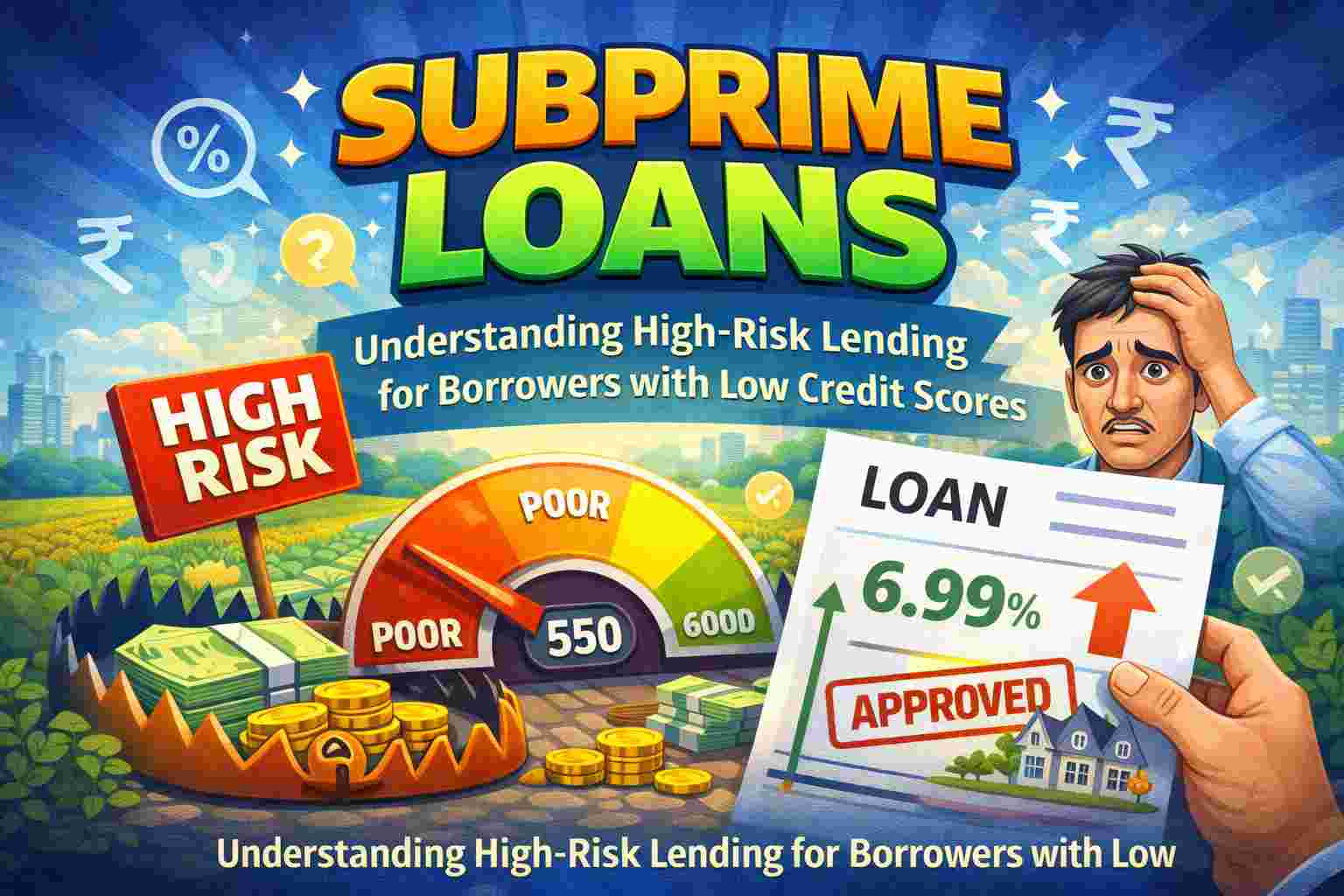

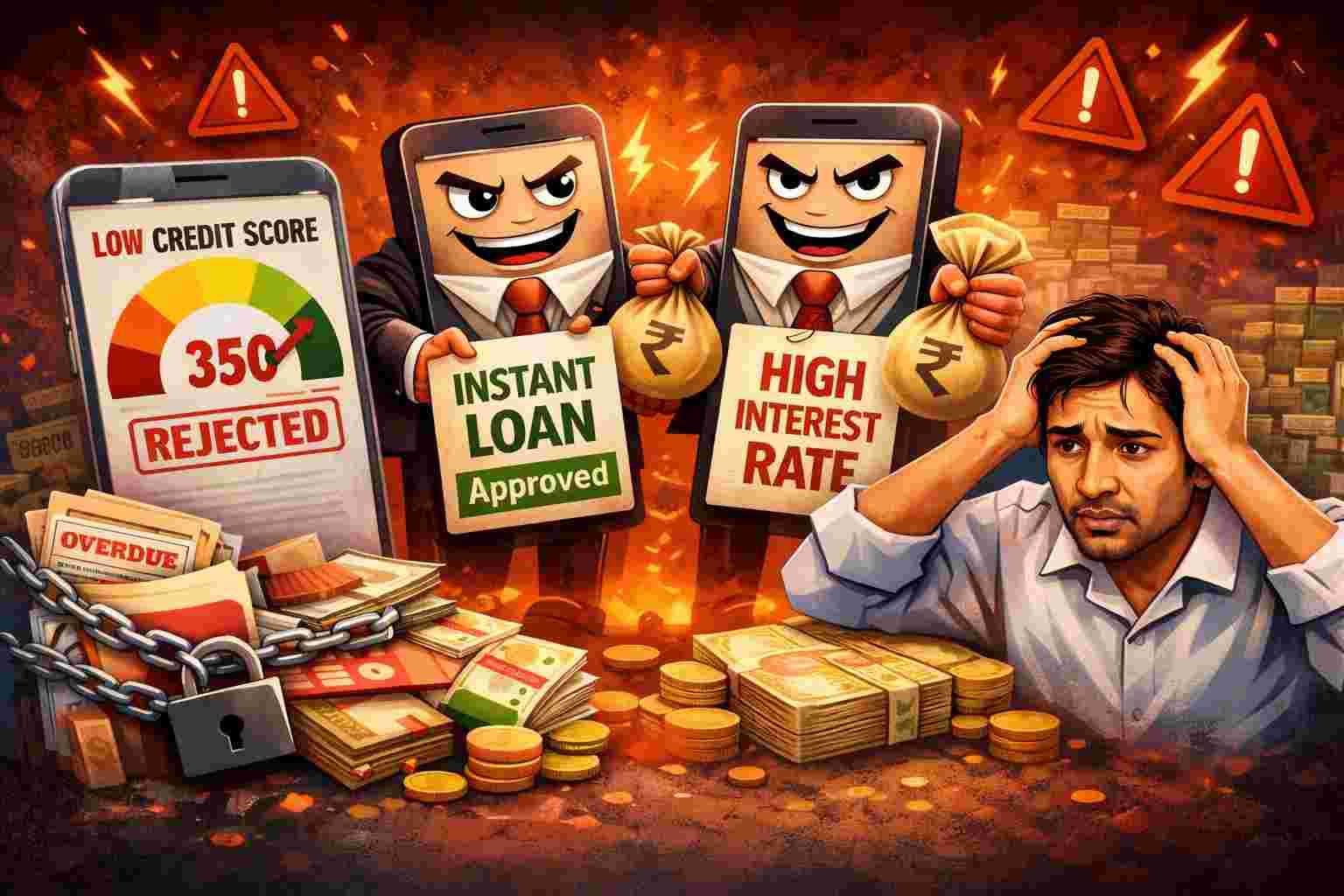
What is a subprime loan? A subprime loan is a form of credit for people with a low credit score or imperfect credit history. You may still get access to funding when traditional lenders decline you. These loans come with higher costs because lenders take greater risk when they approve you with imperfect credit.
Lenders offer subprime loans to reach borrowers who don’t meet strict lending rules for prime credit. They fill a gap in lending where standard loans refuse you. If you need funds fast and your history isn’t strong, these loans give you options that might fit your needs.
Subprime loans are available in various forms. Each one offers different borrowing needs. You need to understand the various types of subprime loans. Only then will you be able to make the right choices accordingly.
1. Subprime Mortgages
Subprime mortgages are home loans made to you if your credit score is low. You still get a path to buy a home. Lenders charge higher interest and may use adjustable rates (your interest can change). This means your payments might shift over time. You pay more because of your credit score. These mortgages were used before the 2008 crash. The rules changed with the lenders becoming stricter.
2. Subprime Auto Loans
A subprime auto loan can help you buy a car if you need one and your credit score isn’t strong. You borrow money specifically to pay for a vehicle. These loans cost you more in interest and usually require faster repayment. You get wheels. You pay more. It’s basic. For many, this helps you keep transport while you rebuild your score if you stick to your payments.
3. Subprime Personal Loans
Subprime personal loans are unsecured funds you can use for many things – from bills to repairs. You don’t need a purpose tied to the loan, like with a mortgage or car loan. Your poor credit makes the lender take a risk, so costs go up. These can help you pay for urgent needs as well as debt consolidation. You can also pay your expenses. But the only thing is to know how much the price is before you commit.
Check Out lendingplate’s Debt Consolidation Loan!
Here is why some people choose subprime loans –
1. Get Access To Credit
You can borrow even if your credit score is low. Note that lenders still offer you funding when prime options refuse you. This gives you breathing space during tight financial moments. You don’t stay stuck without options when you need funds most.
2. Improve Your Credit
Your credit history shifts upward if you repay on time. Every payment adds positive behaviour to your record. This moves your score toward prime levels over time. You may qualify for cheaper loans later.
3. Get Flexible Loans
Subprime options include personal, auto, and home loans. You choose what suits your purpose. Different plans match short and long-term needs. You pick a repayment style that fits your budget.
Subprime loans give you credit when your credit score doesn’t match prime rules. They cost more, but they open doors. You may fix your credit or use these tools to build a stronger financial future if you pay on time and choose wisely.
The main difference lies in credit quality. Prime loans go to you if your credit score is high and your history is strong. Subprime loans go to you if your score is low. Prime offers lower rates and softer terms. Subprime offers more expensive rates because you pose a bigger risk to the lender.
You may refinance later when your credit improves. Lenders see you as a safer borrower when your credit score climbs. That offers you better chances of new offers with lower rates. You can replace the old loan with a more affordable one. This way, you can save money over time. You just need to meet the new lender’s rules (including documents as well as score).
Read every part of the loan offer before you sign. Check your personal loan interest rate as well as personal loan processing fees. Also, ask for personal loan documents to show the total cost over time. It is imperative to consult a financial consultant when you doubt the terms. Always consider the offers that hide costs or punish you with early repayment fees. You need to feel safe with the deal.
You can get secured loans or guarantor loans. Borrowing from family or friends can also be a great decision. You might also choose a smaller instant personal loan with stricter qualifying rules but lower interest. Credit builder products help lift your score. You can explore credit union offers. Each path has pros and cons, so weigh costs before you decide.
You pay higher interest and fees compared with prime loans. If you miss payments, your credit worsens. You can even lose collateral if a secured loan backs the loan. You might get trapped in cycles of debt if rates grow and your payments stretch your budget. Choose only what you can afford.
Lenders look at your credit score as well as your income. You need to consider job stability & debt levels. If your credit score falls below lender limits, you move to subprime brackets. That pushes rates up. They check your ability to repay by viewing your income and existing debt. Your history paints the picture for them as they use it for making decisions.
Yes. You build your score by paying bills on time, lowering debts, and avoiding missed payments. A mix of credit types helps. Timely payments on any loan change your history for the better. Over months, your score climbs. When you get higher score ranges, you can qualify for more affordable options. Stick to plans that fit your budget.
Download our personal loan app to apply for a personal loan. Get up to 2Lakhs* as a personal loan. Download Now!


Sign into avail a personal loan up to ₹ 2,50,000

Unifinz Capital India Limited is a Non Banking Finance Company (NBFC) registered with the Reserve Bank of India (RBI). lendingplate is the brand name under which the company conducts its lending operations and specialises in meeting customer’s instant financial needs.







 RBI CMS
 RBI Sachet


